
I’ve seen people spend all sorts of money on the latest and greatest outdoors gadgets; but for some reason when it comes to sleeping bags, these same people seem to pick the cheapest bags on the market, totally ignoring the importance of choosing the right bag.
Sleeping bags shouldn’t be looked at as a last minute thing you grab on your way out of the local sporting goods store. Picking the right sleeping bag can mean the difference between having a good adventurous expedition, or suffering through a cold, miserable camping trip that you just want to forget.
Things to Consider when Buying a Sleeping Bag
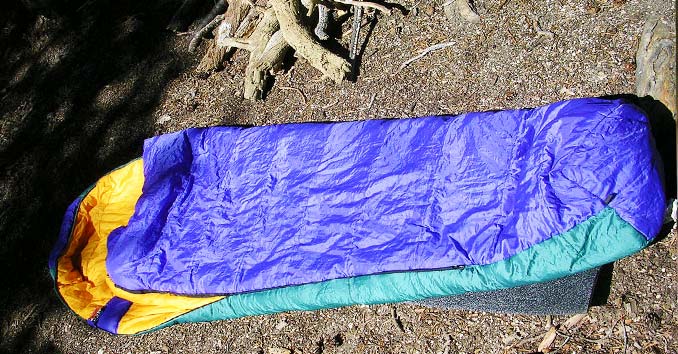
- Consider the Weather: One thing you need to keep in mind is the weather, and how cold it might get when you’re camping. Remember, it’s harder to stay warm in an insufficiently insulated bag than it is to cool off by venting a bag made for colder temperatures.
- Consider Your Comfort: Your sleeping habits need to be taken into consideration when picking the right bag. A bag that’s too snug can make your body feel constricted, and can actually compress the filling making the bag less efficient.
- Moisture Proof Bags: If the area you plan on camping is a moist environment, you need to take that into account. When picking your bag, look for one that can help wick moisture away from your body. More often than not, these bags are made with synthetic materials.
- Weight: If you’re hiking, then the weight of your bag should also be a primary consideration. The last thing you need is to carry any extra weight, especially if there was a lighter option available.
Sleeping Bag Fillers
Down Sleeping Bags
- The Good – Down Bags are often used on high mountain expeditions because these types of bags are often warmer than synthetic options. Down material is one of the lightest and most compressible insulations available. It’s also an excellent option to keep your pack weight down.
- The Bad – If you’re going to be in an area where moisture’s a problem, you should know that Down is a very poor insulator when it gets wet.
Synthetic Materials
- The Good – Synthetic materials are probably a better option, especially if you’re going to be in wet environments. Synthetic-filled bags also cost less and are an excellent alternative for those who are allergic to down.
- The Bad – Synthetic materials usually weigh more, and will take up more room in your pack. They’re also not as warm as Down filled bags.
Sleeping Bag Temperature Ratings
A temperature rating is given to each bag to let you know how cold you can actually go. Just be aware that this rating can differ from manufacturer to manufacture, and can also depend on the person using the bag. The Temperature Rating of a bag should only be used as a rough guideline.
Other Features and Considerations
- Bag Hoods: A sleeping bag hood can trap heat and hold it inside the bag. If you’re claustrophobic they kind of suck, but they will keep you warm.
- Draught Tubes – Draught Tubes are filled with Insulation, and usually run along the side of the sleeping bag zipper to keep warmth from escaping. Draught Tubes are a must for cold weather camping environments.
- Vents – Some bags have vents that can be opened when temperatures start to rise. If you’re camping in an area that has wild fluctuations in temperature, then a vent is something that you probably want to consider.
- Draft collar. Make sure you Bag fits securely around your shoulders. This will help prevent your body heat from escaping. A draft collar is designed to prevent heat loss from your neck and shoulders. They are usually found in colder weather bags, and not available in most summer bags.


Very good and useful information…thanks!
Thanks for the informative post!
Great post. Spent many nights in snow caves and cold environments. A good sleeping bag is essential. I acquired my current sleeping bag while in the Marines; the 3 level system of a light patrol/moderate weather bag, cold weather bag and Goretex bivy sac.
Just bought a “Slumberjack” from Cabela’s. Rated for -20. I like it.
I was just recently on a camping trip and we had inadequate sleeping bags..it was a harsh reminder that being prepared makes the world of difference…this was just a short few days if it was longer it would have worn us down or even gotten more serious if the weather was not as good…Prepare or perish is my new motto!
Yeah, unfortunately moisture is still a big problem for down bags. However, some companies have come up with a synthetic water repellent coating for their down. So that may be changing in the near future. It’s probably good to avoid a down bag if you’re using a bivy as condensation is more of a problem than in a tent. Great tips!
All great info! But wish you could name some companies to keep an eye out for.
When I was in the Army years ago we were issued a heavy olive drab canvas down filled sleeping bag kept u warm no matter what the weather conditions were I believe I would try and find one for any suvival situation nylon bags are lighter but they snag and tear to easy