
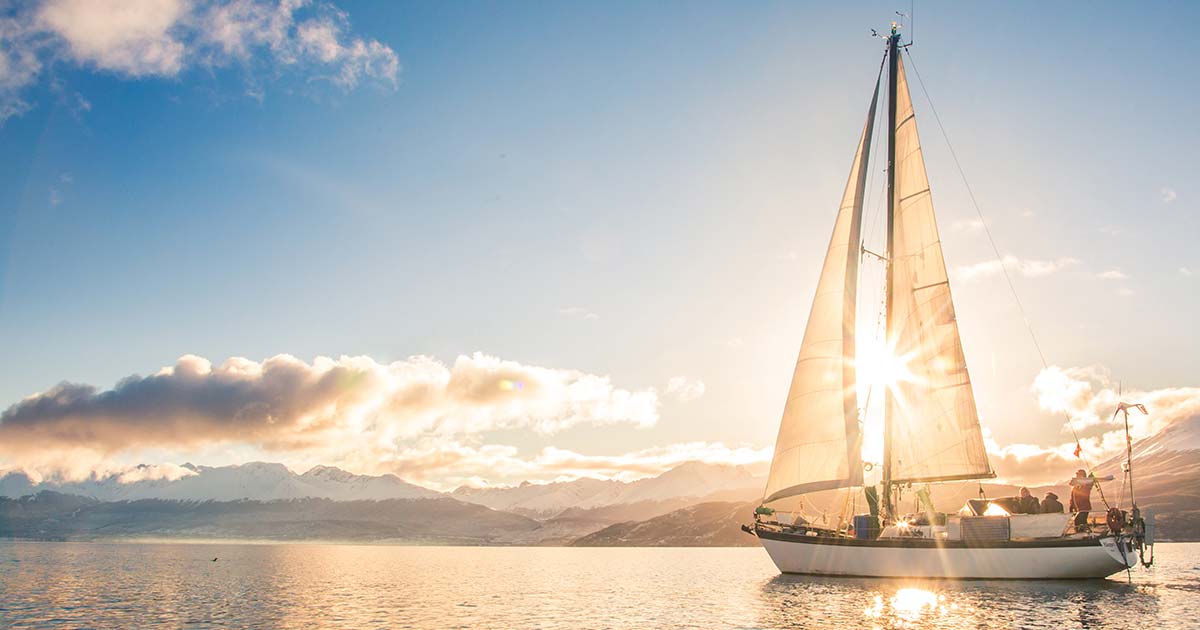
Living on a boat is a unique off the grid lifestyle that has intrigued adventuring souls for ages. For some, it’s an escape from the repetitiveness of everyday life; for others, it’s simply about the freedom and adventure that living on the water can bring. Regardless of the reason, living on a boat requires a certain level of dedication, preparation, and willingness to embrace a different lifestyle.
It’s not all postcard sunsets and calm seas. You’re trading solid ground for a home that moves with the tides, where every day starts with checking the weather, the bilge, and whether your anchor is still holding. The payoff is real though: waking up in a new spot because you felt like it, no commute, no HOA, just you, the boat, and whatever stretch of water you decide to claim that week. You can chase warm weather south in winter, hide out in quiet coves when you need a little place that feels like it’s just yours, or pull into a bustling port when you want people and supplies. It’s raw freedom.
With land prices going through the roof and remote work still going strong, more people are seriously looking at this life, but the ones who stick with it are the ones who treat it like the serious off-grid commitment it is, not a vacation fantasy.
Considerations for Those Who want to Live on a Boat
First and foremost, before choosing to live on a boat, it is vital to consider the practical and financial implications of such a decision. The daily cost of living on a boat varies significantly depending on factors such as type, size, age, and vessel location. For example, the upfront expenses of purchasing a new or used boat can range anywhere from a few thousand dollars to multi-million-dollar yachts. It is essential to factor in the cost of upkeep, including maintenance, fuel, insurance, and dockage fees. Moreover, living in a marina or dock adds to the overall cost, along with utilities such as electricity, water, and internet services.
The type of boat also plays a role in determining the level of comfort and amenities available. While some boats offer basic essentials, such as a bed, bathroom, and kitchenette, others offer lavish living spaces with high-end appliances, spacious bedrooms, and panoramic views of the water. However, with luxury comes added expenses and maintenance, which may not be feasible for everyone.
Give it a test run!
Before setting sail, it’s important to understand the lifestyle and figure out if you can actually handle living on the sea. The first thing you should do is choose a marina that you can live in for 3 – 6 months. This is an important step to mentally and physically preparing to live at sea. Your body needs time to adjust, and your mind needs time to become accustom to this new way of living.
If you’ve determined that this is the lifestyle you want to live, then there are some steps that you need to take.
Research Thoroughly: Before making any decisions, conduct extensive research on the type of boat, equipment, and amenities that you’ll need to live on a boat, along with the costs and regulations in your area. Talk to people who have experience living on a boat and seek their advice on the challenges and benefits of a boat lifestyle.
Be Mindful of Safety: Living on the water requires that safety be a top priority. Make sure you have a sufficient safety plan in place, including proper safety equipment, navigation equipment, and a thorough understanding of boating safety regulations.
Prepare for Living on a Small Space: Living on a boat requires adapting to living in a much smaller space. You’ll need to downsize and maximize storage capacity, creatively arranging furniture, and appliances to make the most out of the limited space. Selecting multi-functional furniture such as a sofa bed or a wall-mounted foldable table can be an excellent way to save space.
Learn Boating Skills: Before living on a boat, it is essential to learn the fundamentals of boating, including how to navigate, steer and dock the vessel. Take a boating safety course, read boating books or watch tutorials online, and consider hiring a professional
Choosing a Boat
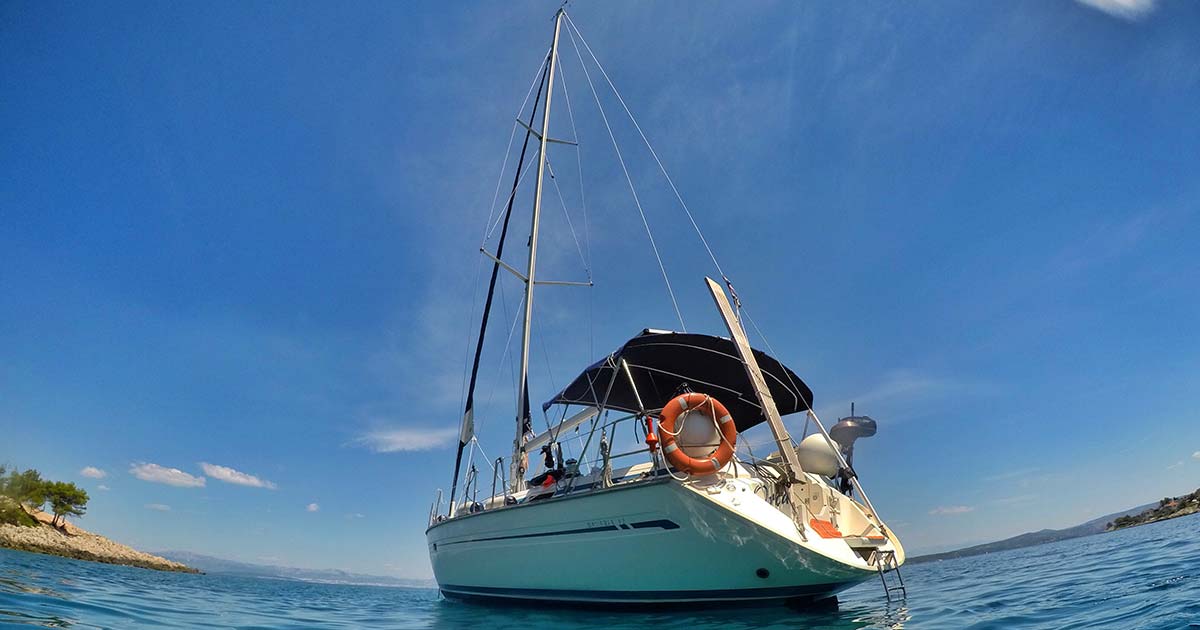
Research, Research, Research. When choosing a boat, don’t jump right into the first cheap one that you find on Craigslist or Facebook Marketplace. The upkeep on these things can be incredibly expensive, and if you don’t know what you’re doing you could be in for some unwelcome surprises—like a “bargain” that turns into a money pit with rotten stringers, bad engines, or endless blister repairs.
Common mistakes people make when buying used for liveaboard:
- Skipping a professional marine survey (get one—it’s worth every penny to catch hidden issues like hull delamination, engine problems, or wiring nightmares).
- Buying with emotion instead of head—falling for looks or a low price without checking the bilge, transom, or rigging age.
- Ignoring engine hours (too low can mean sitting unused and seized; too high means major rebuilds coming).
- Not factoring in immediate fixes—many boats need work right away, so budget for it.
When choosing a boat you should consider the following things:
- Budget Reality Check: When considering how much to spend on a boat, take the amount that you are willing to pay and subtract about 30–40%. You will want that extra chunk for any maintenance issues that may pop up right away—new rigging, sails, engine service, or surprises from the survey. In 2026, realistic used liveaboard starters (30–45ft sailboats or trawlers good for couples) often land in the $50,000–$200,000 range for solid, ready-ish ones. Cheaper $20,000–$50,000 boats exist but usually need serious work; avoid anything under $30k unless you’re handy and want a project.
- Check for Leaks: Before purchasing a boat, do a thorough inspection to check for leaks—look in the bilge, around chainplates, ports, hatches, and deck fittings. Any leaks need to be taken care of right away. Water intrusion leads to core rot, delamination, or worse.
- Mold: Mold can be a problem so make sure you check the boat for signs of mold—black spots, musty smell, soft spots in cushions or wood. In humid areas, unchecked mold makes the boat unlivable fast and is a health hazard. Sniff around cabinets, heads, and behind panels.
Other key things to inspect:
- Hull condition (blisters, cracks, osmosis on fiberglass; steel/aluminum for rust/pitting).
- Engine and mechanicals (run it, check oil, exhaust, hours—hire a mechanic if needed).
- Rigging and sails (age matters—standing rigging over 10–15 years is suspect).
- Electrical and plumbing (old wiring = fire risk; heads and tanks need to work for liveaboard).
- Storage and layout—enough headroom, berths, galley space, and tankage for your needs (water, fuel, holding).
Popular reliable liveaboard boats in recent years:
- Sailboats: Beneteau Oceanis series (like 40.1 or Sun Odyssey 380/349—spacious, good value, often $150k–$350k used/newish), Jeanneau Sun Odyssey models, Tayana 37 or Cape Dory 36 (classic, tough bluewater for couples).
- Trawlers/power: Beneteau Swift Trawler, Cutwater models, Ranger Tugs, Nordhavn or Kadey-Krogen for serious offshore (more comfort, higher fuel but great for liveaboard).
- Cats: Fountaine Pajot Isla 40 or similar for families/space (stable, roomy, but pricier).
Go for 30–45ft for most solo/couples—enough room to live without marina fees killing you or maintenance going nuclear. Size up if family; downsize if minimalist.
Bottom line: Buy the newest/best condition you can afford, not the cheapest. A good survey saves thousands later. Talk to owners of the model you’re eyeing that can tell you the honest pros/cons.
Where to Dock
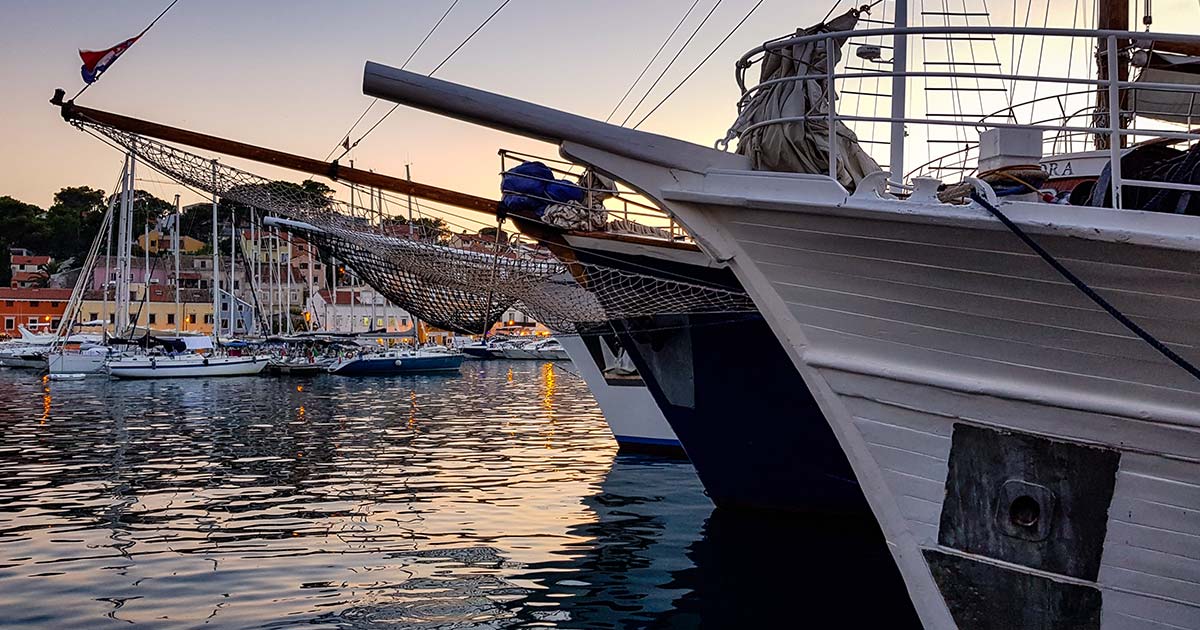
Anchoring. Anchoring or ‘living on the hook’ is going to be your cheapest option, but it also means that you’ll have to be fully self-sufficient. To be able to pull this type of living off, you must.
- Have a way to generate your own electricity (solar wind etc…)
- Have a way to store enough water, or be able to generate your own drinking water.
- Be mentally and physically prepared to live at sea.
- Buy a good dinghy for coming to shore for work, supplies, etc.
Mooring. Another cheap option is called mooring. A mooring ball is a method of anchoring your boat without an anchor. It works by attaching your boat to a chain that’s attached to a heavy sunken cement block. There is usually an initial deposit or setup fee and a small monthly fee is usually involved.
Marina Living – Depending on the location, this option can be pretty similar to an RV Park. A growing number of Marinas offer electrical hookups and supply stores within walking distance of your boat.
We highly recommend Marina living for those who are just starting out. Before setting sail, marina living can help make sure you’re able to handle the lifestyle. Choose a marina that you can live at for 3 – 6 months. This is a crucial step to mentally and physically preparing to live at sea.
Local Laws: Another critical aspect to keep in mind is the boating regulations and laws in the area where you plan to dock or sail. Each state or country has its own set of rules and restrictions, including licensing requirements, zoning laws, and boating safety regulations. Furthermore, the weather and tide conditions can significantly affect your comfort and safety on a boat, and it’s essential to be mindful of such factors.
Key Considerations and Realistic Costs (2026 Updates)
Boat living isn’t cheap or easy—maintenance is relentless, and 2026 has seen rising prices for boats, marinas, insurance, and parts due to supply issues and demand. A common rule: Budget 10–20% of your boat’s value annually for upkeep.
| Category | Estimated Annual Cost (USD) | Notes for Off-Grid Nomads |
|---|---|---|
| Boat Purchase (Used) | $20,000–$150,000+ | Start with 30–40ft sailboat; subtract 30% from budget for surprises. |
| Marina/Slip Fees | $4,800–$12,000 | Cheaper abroad; avoid for full off-grid. |
| Anchoring/Mooring | $0–$2,000 | Free or low-fee; requires self-sufficiency. |
| Maintenance & Repairs | $2,000–$15,000+ | Hull cleaning, engine service, rigging; DIY to save. |
| Insurance | $1,000–$5,000 | Higher for offshore; shop for cruiser policies. |
| Fuel & Propulsion | $1,000–$5,000 | Minimal on sailboats; diesel for motors. |
| Solar/Water/Systems | $3,000–$10,000 initial | Ongoing low; enables true off-grid. |
| Total Monthly (Liveaboard) | $1,000–$4,000 | $500–$2,500 possible with anchoring & minimalism. |
Test the waters first: Rent or charter for 3–6 months in a marina to adjust to confined spaces, seasickness, and routines. Many start in stable spots like Florida, the Chesapeake Bay, or international hubs (e.g., Portugal, Croatia, Thailand) with digital nomad visas.
Safety Considerations
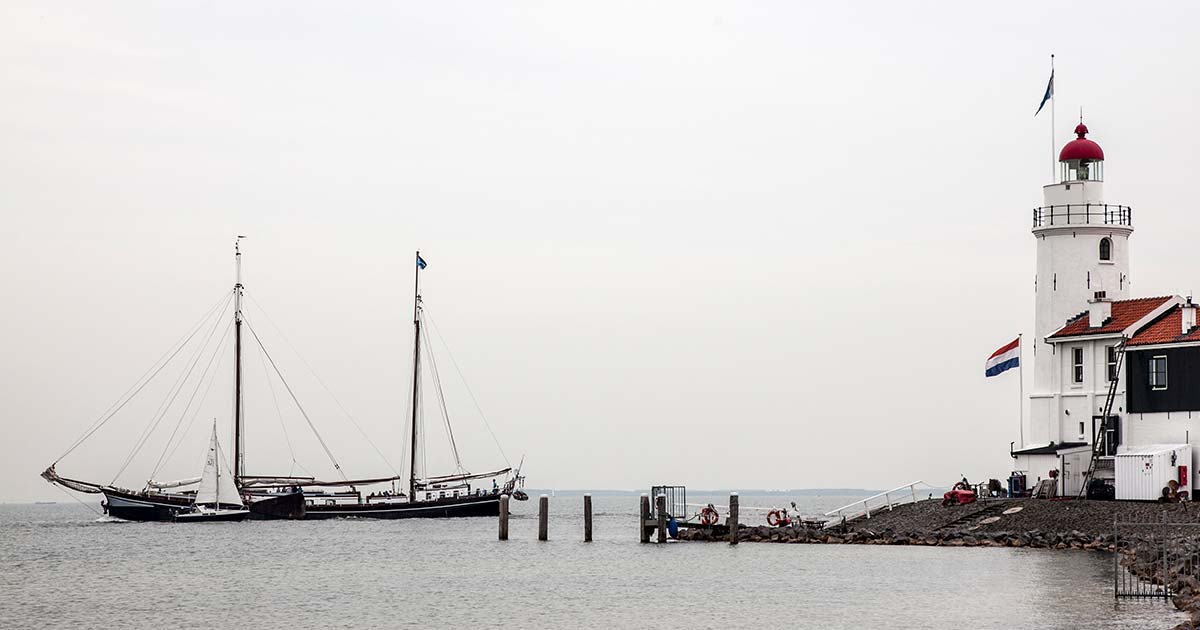
This type of lifestyle is filled with hazards. While it is enjoyable and liberating, if unprepared it can quickly become a nightmare. The water doesn’t forgive mistakes, and small issues snowball fast—whether it’s weather turning ugly, gear failing, or human error. In 2026, with more people out there cruising, the basics still save lives: preparation, skills, and gear.
- Pirates – Believe it or not, in certain parts of the world this is still a pretty big problem. Global maritime piracy and armed robbery incidents rose in 2025 to around 137 reported cases (up from 116 in 2024), per the International Maritime Bureau (IMB), with hotspots like the Singapore Straits seeing a massive surge (80+ incidents, many violent with guns and hostages), Gulf of Guinea kidnappings, and scattered risks in the Caribbean, West Africa, and parts of Southeast Asia. For yachts and sailboats/liveaboards, it’s rarely Hollywood-style high-seas raids anymore—more often opportunistic armed robbery at anchor or underway in busy lanes—but it happens, especially in low-patrol areas. Avoid known high-risk zones (check current IMB reports or Noonsite.com before heading out), use awareness tools like AIS (Automatic Identification System) to track nearby vessels, radar for night watches, and stay in well-traveled cruiser routes where possible. Make sure you have the proper equipment to defend yourself in case of attack—many carry legal self-defense options like a shotgun (where permitted by flag state and local laws; check regs carefully, as some countries ban firearms outright). Non-lethal alternatives like flares, loud horns, searchlights, or even reinforced boarding measures (razor wire, motion lights) help deter boarders. The best defense is avoidance: travel in convoys if risky, report suspicious approaches to authorities via VHF or satellite, and never look like an easy target.
- Make sure you know what you’re doing! – If you are not familiar with boating, you should take at least 6 months of time to cruise around the shore (or more for offshore ambitions). I highly recommend taking lessons—get your USCG boating safety certificate or equivalent, ASA/RYA courses for sailing/navigation, and hands-on time with your specific boat. Inexperience is a top cause of accidents (operator inattention, improper lookout, excessive speed, navigation rule violations per USCG stats). Spend coastal time practicing docking in wind/current, anchoring techniques, heavy-weather tactics, and man-overboard drills. Many new liveaboards underestimate how quickly things go sideways without muscle memory.
- Communications – Cell phones when near shore, but offshore you need reliable backups. Satellite communications (Starlink is huge in 2026—many run the Flat High Performance dish or Mini for high-speed internet, weather downloads, and even voice calls via apps; plans run $100–$250+/month depending on usage, with Ocean Mode for passages), a marine VHF radio (essential for hailing, distress, weather), EPIRB/PLB for emergencies, and a Ham Radio (SSB for long-range voice/email, great for nets like the Pacific Seafarers or Atlantic Rally). Don’t rely on one thing—have redundancy (e.g., Starlink + Iridium GO! or Garmin inReach for texting/SOS if primary fails). Good comms mean getting forecasts, calling for help, or just staying connected to family/friends onshore.
- Boats require a lot of maintenance. Make sure you know the ins and outs of your boat, and how to troubleshoot anything that might go wrong when you’re out at sea. Engine failures, rig issues, leaks, electrical shorts—these are common culprits in breakdowns or accidents. Carry spares (filters, belts, impellers, fuses), tools, manuals, and learn basic fixes (oil changes, bleeding fuel lines, patching hoses). Join cruiser forums or take diesel/electrical courses. Regular checks (daily bilge, weekly rig inspections) prevent most disasters. Also cover basics: life jackets, fire extinguishers, first-aid kit, abandon-ship bag, flares, bilge pumps, ground tackle backups.
Other big risks to watch: weather (check forecasts obsessively via PredictWind, Windy, or satellite), fatigue (single-handing long passages is brutal—rotate watches), alcohol/drugs (still #1 factor in fatal accidents—don’t mix boating and booze), and fire (galley stoves, engines, batteries—have detectors, extinguishers, escape plans).
The Benefits of Boat Living
Despite the challenges and considerations, living on a boat can offer many benefits, such as increased freedom, privacy, and the joy to explore different locations. Here are some of the advantages of living on a boat that may appeal to you:
Minimalist Lifestyle: Living on a boat requires downsizing and simplifying your possessions, making it an ideal choice for those who yearn to live with less. The limited space on a boat forces you to make do with what you have, and prioritize what’s essential. This approach encourages a minimalist lifestyle and helps to declutter your life. Many full-time liveaboards say it shifts your focus from stuff to experiences—no more closets full of junk you never use, just the gear that actually matters. It’s liberating once you get past the initial purge.
Close Connection with Nature: Living on a boat provides a unique opportunity to be surrounded by nature, including stunning sunsets, calm waters, and wildlife. The sound of water lapping against the hull of the boat can be a relaxing and therapeutic experience, helping you to disconnect from the stresses of everyday life. What to expect: dolphin sightings, bird life at anchor, remote bays where the stars are insane with no light pollution, and that constant fresh salt air. It’s hard to beat waking up to nature right outside your hatch instead of traffic or neighbors.
Ability to Travel and Explore: One of the most significant advantages of living on a boat is the ability to travel and explore different locations. Whether you want to cruise down the coastline or navigate through canals and rivers, living on a boat offers unparalleled freedom and adventure. You can chase seasons (south for winter, north for summer), hop between islands, visit new countries without packing/unpacking, or just move your “home” to a better spot when the vibe changes. It’s the ultimate mobility—no fixed address, no long flights, just lift the anchor and go.
Affordability: Living on a boat can be more affordable than traditional housing, depending on the type of boat and location. While the upfront cost may be higher, the ongoing expenses can be lower compared to a mortgage or rent—especially when anchored out. In 2025–2026, with housing prices still high in many areas, plenty of liveaboards report keeping total monthly costs under $2,000 (or even $1,000–$1,500 if minimalist and off-grid), beating rent/mortgage in places like Florida, California, or big cities. You skip property taxes, big utilities, yard work, and often car needs if you’re coastal. It’s not always cheaper (marinas add up, maintenance bites), but for self-sufficient types anchoring or in cheap moorings, it stacks up well against land living.
Sense of Community: Living in a marina or dock offers the opportunity to become part of a community of like-minded individuals who share a passion for all things boating. The sense of camaraderie and socialization can be a significant factor for those who crave a close-knit neighborhood or environment. Talk to anyone who has done it and they wi;; often rave about the instant friends—dock neighbors who help with projects, share tools/parts, swap stories over sundowners, or join net radios for weather/cruiser tips. It’s a tight-knit tribe of adventurers who get the lifestyle, way different from suburban isolation.
Bonus perks from real experiences: more active daily life (climbing ladders, hauling water/dinghies, sailing—keeps you fit), no snow shoveling or lawn mowing, potential for remote work with Starlink, and that deep satisfaction of self-reliance (fixing your own stuff, generating power, harvesting rainwater). It’s not for everyone, but for those who stick it out, the freedom, simplicity, and adventure often make the hassles worth it.
Check out our Off the Grid section for more unconventional and alternative ways of living.




Harley should be easy to put on a trawler. Most sizeable ones have built in cranes. If it doesn’t, almost every marina has a crane you can use for loading and unloading the bike. Just have a safe way to secure it to the boat or it will end up on it’s side. Bring spare parts.
We had a sailboat tied up at a condo with some understanding owners. Most people get scared when they can’t see land anymore. After a day or two the whole boat thing gets old. And it is lonely out there unless you have a friend or two along. I also would like to escape the rat race, but I don’t want to become a hermit either. I can’t afford a super yacht with bikini babes as hood ornaments.
Hello!!! I would like to jump into this lifestyle…I just turned 40 and have had an “awakening” as to the life programmed into me and wish to live a minimum impact/off grid life as possible. l live in Tampa Florida currently, anyone have any suggestions as to a place to learn???
Warm Regards..Love and LIght!
Jennifer
Hey Pete, my name is Janette an I lived on a houseboat for several years living every minute if it. ts a lifestyle you either love or don’t. Wishing you lots of luck in your life’s journey. I understand the lonely part. Luckly I had my dog as a companion. As I grow older I find myself lonely also. I’m almost 66 yrs now an really miss life on the water. Best wishes
Jhignight@gmail
I live on a log raft on the Yukon river in Alaska in summer. Nice lifestyle but better to be rafting down the river than tied on shore as I have been last 2 summers. Tired of so many questions etc from everyone at the bridge. Enjoy working with NATC at Yukon river camp but if I raft next summer it will be going down river, not tied on the beach. Love rafting down river. That’s what they are made for. See “Alaska Log Raft” on YouTube. That’s me and my son and friends. Never get rich with a log raft but a nice life.
What a bunch of bull shit on here.