Making Hide Glue – Survival Skills

For over 5000 years people have been using animal hides to make glue. Until the invention of synthetic glues, animal hide glue was the most common type of glue used in woodworking.
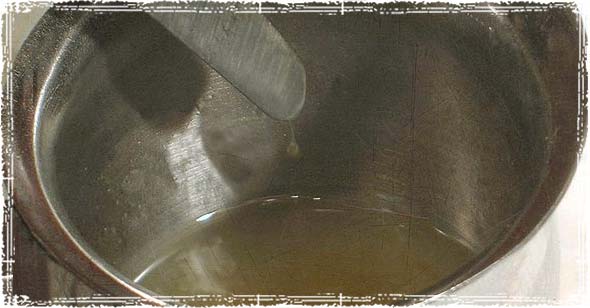
Making Hide Glue

Making Hide Glue

  1. Scrape, sand or cut your animal hide into small pieces or shavings. (The closer to powder you can make it, the easier it will be to work with)
  2. Boil a pot of water
  3. Gently cook until the mixture thickens. You will have to replace the water as it evaporates. (this process will take forever, some people cook it for days at a low heat)
  4. Strain the mixture with an old T-shirt or cheese cloth.
  5. The mixture can be used as is, or Dried for storage.
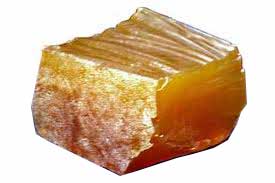
Making hide glueHow to Store Hide glue

  1. Pour the mixture into a metal cake pan or metal sheet. (1/4 to 1/2 inch thick)
  2. When the mixture dries to a gelatin consistency, cut it into 1 inch square chucks.
  3. Let the mixture set for another week.
  4. Pop the squares out of the pan.
  5. With a thick needle, run some string through the squares and hang dry for at least another week.
  6. Store in a waterproof container. ( If kept dry the dried squares can be stored forever.)

Using Dry Hide Glue

To use the glue, take your dried chucks and dissolve them in a small amount of hot water. Let it heat up into a syrup, and then apply the mixture warm. Clamp your wood together and let it set. You’re now good to go.

Hot this week

SHTF Plan: Are You Ready to Survive Your Own SHTF Moment?

Your SHTF crisis will likely be personal or localized in nature. Find out how to make a full-proof SHTF Survival Plan

Situational Intel: Knowledge is Power during a Crisis

One of the best ways to protect yourself and your family during any crisis or disaster is to stay aware to what’s going on around you. That means knowing where to find real-time unfiltered information.

OFFGRID Living: How Many Solar Panels and Batteries Do You Actually Need to Run Your Home?

Easy to follow information on how much power you consume, how many batteries you need to power your home, and how many solar panels you need to maintain those batteries.

Go Camping: Camping is a Great Way to Increase Your Survival Knowledge

When it comes to preparedness, testing, practice and real-world experience is everything. Camping, fishing and hunting are all great ways to improve your survival/preparedness related skills.

Online Safety in 2026: The Real Threats to Kids on the Internet (And What Actually Protects Them)

Social Media, your child’s phone, and the apps you let them download are putting them at Risk. You need to understand the threats that are out there, and take the necessary steps to protect your child.

Topics

Best Survival Books: Top Prepper Reads to Master Survival

Having a good survival book is almost as important as having the right gear. Check out our list of the best ones ever written.

Portable Backpacking Camp Stoves for Preppers

Real-world recommendations on the best lightweight backpacking stoves for preppers, hikers, and wilderness adventures.

Top Solar Generators, Power Packs, and Emergency Solar Solutions

From powering flashlights, emergency radios, and GPS devices to providing emergency backup power to your home during a disaster, these are some of the top emergency power options on the market.

Best Tactical Flashlights: Our Favorite Tactical Flashlights Reviewed

Don’t just settle for any crappy little flashlight, you want to look for one that can serve multiple survival purposes – enter the Tactical Flashlight.

Survival Lighters: The Top Weatherproof, Windproof, and Waterproof Lighters

A survival lighter should be weatherproof, windproof and waterproof; here are the top lighters on the market.

The Best Portable Survival Water Filters: Ensuring you have Safe Drinkable Water

During a disaster, even municipal water sources can quickly become contaminated. Here are the best backpacking water filters.

Discreet Survival Backpacks for Bug Out Disasters

The Gray Man Approach: Discreet Urban Carry Backpacks that don’t raise any red flags during times of crisis.

Picking the Best Survival Knife: Reviews of our Top Fixed Blade Survival Knives

The top Survival knives on the market. Here is the list of our favorite fixed blade survival knives after years of testing and abuse.
Shirts of Liberty

Related Articles

Prepper Radio: The No-BS Ham Radio Technician Exam Prep Guide


The Ultimate Situational Survival Guide


Off Grid Survival Family Preparedness Manual

Popular Categories

Preparedness Manual

Comments

8 COMMENTS

  1. In making hide glue, what measures should be made in order to improve the strenght of the product?

    • Mostly the strenght depends on the amount of water you use when re-heating the glue, the smoothness and fit of the surfaces you wish to glue, and whether or not you heat those surfaces before applying the glue. Put the glue in a jar and use as much water as you use glue. Just eyeball it. Preferably let the glue soak up the water overnight before heating it. Heat it to about 70 degrees celcius, any hotter and the glue will lose strenght, any colder and it will not liquify properly. Heat the surface you wish to glue, apply the glue, clamp and remove excess glue.

  2. Dear sir,
    I would like to convert the Animal glue pwder in saft square jelly cake ,

    let us know if you can guide that how to add the other thing to make it and with what ?

  3. 1.How to find the grade of the Animal Glue Powder at home without bloom gelometer.
    2.How to avoid the bad smell while makinging animal glue .
    3.80 jelly strength Animal glue powder is used by which industries

  4. Currently I am making moccasins, and soon I will be needing to construct a sole. I found your topic on Pinterest and after reading, I’m curious would I be able to use it for a sole? Or would this not be advisable?
    Thank you, A

    • @jday
      No, hide glue must be made from raw hide, not tanned leather. The tanning process removes most of the colloidal substances which become your glue.

LEAVE A REPLY

Please enter your comment!
Please enter your name here

Preparedness Manual