
In a long-term disaster—think months or years without reliable stores, power, or normal life—liquor becomes more than just something to sip. It turns into a real asset with multiple practical uses. From trading with others who need a break from the stress, to basic medical and cleaning needs, to just helping everyone stay level-headed, alcohol is one of those smart items to include in a solid preparedness plan. It’s not about getting wasted; it’s about having something versatile that holds value and utility when everything else is scarce.
People often overlook it at first because it seems like a “nice-to-have” luxury, but history shows otherwise. During tough times like Prohibition in the US, certain spirits were still allowed because they were seen as legitimate medicine. In survival scenarios, that kind of multi-purpose item can make a big difference—whether you’re bartering for supplies, treating a minor injury, or simply easing the mental load after a hard day. The key is choosing the right types: high-proof, long-lasting options that don’t go bad and pull double (or triple) duty.
A quick note on quality vs. quantity: While cheap, neutral stuff like vodka works great for everyday utility, having a few bottles of something with more character—like a well-made Scotch—adds another layer for either high-end trades or just plain comfort. For example, Islay Scotch stands out with its bold, peaty smoke from the island’s unique traditions (think intense iodine, tar, brine, and seaweed notes from distilleries like Laphroaig, Lagavulin, or Ardbeg). If you’re curious about what sets Islay apart, there’s a solid rundown on that smoky style here at BlancSovereign.
Bottom line: Don’t stockpile for fun alone. Focus on alcohols that store indefinitely, serve real purposes, and maybe even bring a bit of comfort or leverage when it counts. In the sections ahead, we’ll break down the specific reasons, shelf lives, best choices, and even how to make your own if supplies run dry.
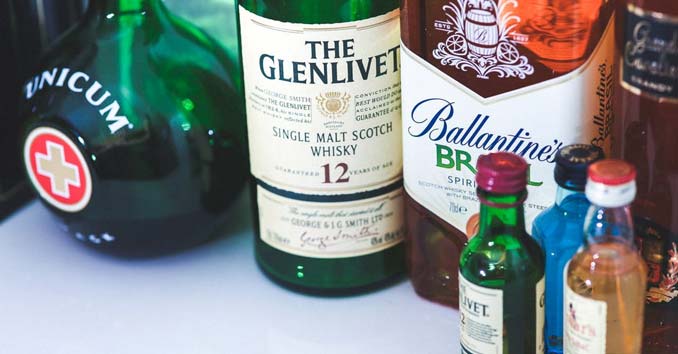
5 Preparedness Reasons for Stockpiling Alcohol
Here are the main practical reasons why liquor deserves a spot in a long-term preparedness stash. It’s not about excess or partying—it’s about having a resource that can serve multiple roles when normal supplies dry up.
Liquor for Bartering When things really break down, people look for ways to cope with the stress and uncertainty. A bottle of alcohol—especially something recognizable and reliable—can become one of the most sought-after items out there. Even a basic, inexpensive one can hold serious trade value because it’s something folks will always want for a temporary escape or just to take the edge off. In real-world tough times (like after major disasters or civil unrest), stories from survivors show that alcohol often ranks high on the barter list—right up there with meds, food, or tools. People have traded it for essentials like fuel, ammo, or help with tasks because the demand never really fades. The key is stocking varieties that store well and appeal broadly; high-proof neutrals like vodka or rum tend to be versatile for trade, while something with more character (like a solid whiskey) might fetch even better deals from those who appreciate quality.
Liquor for Your Health Whiskey has a long history as a medicinal item—during U.S. Prohibition, it was one of the few alcohols still legally prescribed and imported for health reasons. In moderation (think one small drink a day or less), some studies link it to potential benefits like supporting heart health through antioxidants (polyphenols from the grains) that may help lower bad cholesterol, raise good cholesterol, and reduce risks for things like heart disease or type 2 diabetes. There’s also evidence that moderate alcohol can aid immune responses or ease minor issues. For everyday prepper use, it’s handy for symptom relief: alcohol dilates blood vessels, which can help clear congestion during a cold or allergies. A simple mix of whiskey (or any decent spirit), honey, and lemon works well as a natural cough suppressant—many folks swear by it for soothing throats and loosening mucus when OTC meds aren’t available. Just remember: these perks only apply to moderate use. Heavy drinking wipes out any upside and adds serious risks, so treat it like a tool, not a habit.
Liquor as a Stress Reliever Long-term survival situations bring constant pressure—uncertainty, hard work, threats, and loss. A measured drink at the end of the day can help dial down that tension without knocking you out. It’s not about getting drunk (which would make you a liability); it’s about maintaining mental balance so you stay sharp and focused overall. In group settings, a shared small pour can build morale and keep people from cracking under the strain. Mental resilience is huge in prepping—anything that helps you sleep better or think clearer the next morning counts.
Liquor as an Antiseptic/Cleaner High-proof alcohol shines here as a multi-use disinfectant. For first aid, anything 60% ABV (120 proof) or higher can kill bacteria on wounds, tools, or surfaces by breaking down proteins and fats in germs. (Note: research shows 60-90% is often most effective—around 70% ideal for many applications because the water helps it penetrate cells better before evaporating too fast.) Use it straight for cleaning cuts, sterilizing gear, or even as a hand sanitizer in a pinch. Lower-proof stuff works somewhat but isn’t as reliable, so prioritize overproof options like Everclear, high-proof rum, or vodka when possible. It’s a backup when medical alcohol runs out.
Liquor for Preservation Beyond drinking, alcohol excels at extending the life of other resources. Soak herbs, fruits, roots, or foraged plants in high-proof vodka, rum, or neutral spirits to make tinctures and extracts—the alcohol pulls out active compounds and preserves them for months or years. This is great for turning wild medicinals into concentrated remedies (e.g., echinacea for immune support or willow bark for pain). It’s also called for in recipes to flavor or preserve food items. Vodka (around 80-100 proof) is a prepper favorite for tinctures because it’s neutral, widely available, and creates strong, long-lasting results without overpowering the herb’s properties. High-proof choices ensure better extraction and shelf stability—store them cool and dark, and they’ll outlast dried herbs by a wide margin.
How long does stockpiled Booze last?
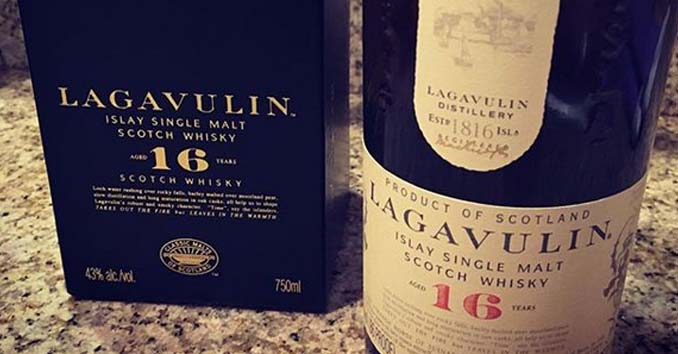
The shelf life of alcohol depends mostly on the type and alcohol content—higher proof means longer stability because alcohol acts as a natural preservative that prevents bacterial growth and spoilage. Proper storage is key: keep bottles in a cool, dark place (ideally 55–70°F), away from direct sunlight, heat fluctuations, and standing upright to minimize cork issues or evaporation. Unopened bottles last much longer than opened ones, as oxygen exposure once opened starts slow oxidation that can dull flavors over time.
Spirits (Hard Liquor) Spirits last the longest—in most cases indefinitely. High-proof distilled alcohols like whiskey, vodka, rum, gin, tequila, and scotch (40% ABV/80 proof or higher) don’t spoil or become unsafe, even after opening. Unopened, they can sit for decades with virtually no change if stored right. Once opened, they stay safe forever, though flavors may gradually mellow, fade, or pick up subtle oxidation notes (like a slight “flat” taste) after 1–3 years or more, depending on how much air gets in and how often you pour. The higher the proof, the slower this happens—overproof options (like Everclear at 95% or high-proof rum) hold up especially well. For prepping, this makes spirits the clear winner for long-term stockpiling.
Liqueurs Liqueurs are trickier because many have added sugar, flavors, dairy, or lower alcohol content. In general, if the ABV is around 17% or higher, you don’t have to worry much about spoilage—most stay stable for years unopened and 6–12 months (or longer) after opening if sealed well. The big exception is cream liqueurs like Baileys Irish Cream. Baileys guarantees about 2 years from bottling (opened or unopened) when stored between 32–77°F and away from light, but many sources recommend consuming opened cream liqueurs within 6–12 months (or sooner for best taste) and refrigerating them after opening to prevent separation or souring. Check the bottle’s stamped date or “best by”—cream-based ones can curdle or go off if pushed too far.
Wines and Vermouths Most regular wine (red, white, rosé) is meant for shorter-term enjoyment. Unopened and stored properly (cool 55–60°F, dark, humid spot, bottles on side if corked), good-quality wines can last 5–10 years or more—some age-worthy reds even improve. But cheaper table wines are often best within 1–3 years. Once opened, wine oxidizes quickly and starts going bad in days to a couple weeks (refrigerate and use within 3–7 days max). Vermouth (fortified wine) follows similar rules: unopened, it can last 3–5+ years if cool and dark. Opened, refrigerate immediately—best within 1–3 months for flavor, though it might stay drinkable longer (up to 6 months in some cases) if you minimize air exposure.
Beer Beer is at the bottom for long-term prepping. It has the shortest shelf life due to hops, yeast, and lower alcohol content. Unopened, most beers last about 6–9 months past the “best by” or “bottled on” date (sometimes up to a year in the fridge), but flavors degrade—hops fade, it gets skunky or cardboard-like from light/oxygen exposure. Beyond that, it’s safe but tastes nasty. Opened beer? Drink it within a day or two max (fridge helps a little). For preppers, beer isn’t ideal unless you rotate stock frequently or brew your own.
Bottom line for preparedness: Prioritize high-proof spirits—they’re essentially immortal, versatile, and won’t let you down when you need them most. Store smart, and your stash will be ready for years (or decades) down the line.
Don’t ever run out of Booze: Learn to Make your Own

Since we are talking about prepping, nothing says being prepared like having the ability to make your own homemade liquors and wines. While I’m partial to moonshine, that takes a little more work and equipment than the average person probably has on hand. But nothing is stopping you from brewing up a good ol’ batch of Hillybilly Wine!
When you’re prepping seriously, the real game-changer is self-sufficiency. Stockpiling is great, but being able to produce more when it runs low? That’s next-level prepared. Moonshine or distilled spirits are awesome but require stills, knowledge of distillation laws (check your local regs—it’s often restricted or illegal without permits), and more setup than most folks have ready. Wine, though? Much simpler—no fancy gear needed beyond basic kitchen stuff, and it’s forgiving for beginners. This “hillbilly wine” style uses store-bought grape juice as the base, so you can start with things already in your pantry or easy to grab.
The recipe below is a straightforward, no-fuss version inspired by common easy homemade wine methods (often called prison hooch or beginner juice wine in prepper and homebrew circles). It’s dead simple, uses minimal ingredients, and gets you drinkable results in about a month. Once you nail the basics, swap in other 100% fruit juices (apple, berry, etc.) or experiment with added flavors. Note: This makes a rough, sweetish wine around 10-14% ABV depending on sugar and yeast—nothing fancy, but it’ll do the job in a pinch.
Drop-Dead Easiest Homemade Grape Wine Recipe
What You’ll Need (for about 1.5-2 gallons finished wine):
- 5 large (64 oz / half-gallon) bottles of 100% grape juice (no added sugar or preservatives like sorbate—Welch’s Concord or similar works great; avoid “juice drinks”)
- 6¼ cups granulated white sugar (adjust down to 5 cups if you want drier/lower ABV, up a bit for sweeter/higher)
- 1 packet wine yeast (Lalvin EC-1118 or Montrachet is ideal for reliability and higher alcohol tolerance; available online or at homebrew shops) — OR 1 packet regular active dry bread yeast in a pinch (it works but may give off-flavors or lower ABV)
- Optional but helpful: A large food-grade bucket or carboy (at least 2-3 gallons), siphon tube (or turkey baster for small batches), airlock (cheap plastic one from homebrew supply), rubber stopper or balloon with pinhole for gas release
- Clean pots, spoons, and containers (sanitize with boiling water or no-rinse sanitizer if possible to avoid bad batches)
Steps:

- Prep the must (juice mix): Pour all 5 bottles of grape juice into a big pot. Gently heat to about 100-115°F (warm to touch, like bath water—not boiling or you’ll kill yeast later). Stir in the 6¼ cups sugar until fully dissolved. This boosts the sugar content for fermentation into alcohol. Let it cool to room temperature (around 70-75°F) if it’s still warm.
- Transfer and pitch yeast: Pour the sweetened juice into your large clean container (bucket or carboy). Sprinkle the yeast packet on top (no need to proof bread yeast; wine yeast often benefits from following packet instructions). Give it a gentle stir to mix.
- Primary fermentation (first bubbly phase): Cover loosely with a clean towel or cloth secured with a rubber band (lets CO2 escape while keeping bugs/dust out). Place in a dark, stable spot at room temp (65-75°F ideal). Let it sit for 4-7 days. You’ll see bubbling, foam, and a yeasty smell—that’s fermentation working. Stir gently once a day if you want, but it’s optional.
- Rack to secondary (clear it up): After 5-7 days (when bubbling slows a lot), siphon or carefully pour the liquid into a second clean container, leaving the thick sediment (lees) behind at the bottom. This gets rid of gunk for clearer, better-tasting wine. Fit an airlock (filled with water or vodka to the line) or a balloon with a small pinhole over the opening to let gas out without letting air/oxygen in.
- Secondary fermentation and clearing: Let it sit another 2-4 weeks (total 3-5 weeks from start). Bubbling should stop or be very slow. For even cleaner results, you can rack (siphon) one more time after 2 weeks into another container and let sit another 1-2 weeks. Taste test toward the end—if too sweet, give it more time; yeast will eat residual sugar.
- Bottle and enjoy: Once no more bubbles and it tastes decent (it’ll improve with age), siphon into clean bottles (glass flip-tops, recycled wine bottles, etc.). Cork or cap tightly. Store cool and dark. It can be drinkable right away but often smooths out after a few more weeks/months. Refrigerate if you want it chilled.
Quick Tips & Safety Notes:
- Sanitation matters—rinse everything well; wild bacteria can turn it vinegary or off.
- Fermentation produces CO2—don’t seal airtight early or pressure builds and explodes containers.
- ABV estimate: With this sugar amount and good yeast, expect 10-14%. Use a hydrometer if you get serious.
- Legal note: Home winemaking for personal use is generally allowed in the US (up to 100-200 gallons/year per household), but check local laws.
- If it smells like vinegar or nail polish—toss it and sanitize better next time.
- Start small your first batch to learn.







l love my drink, leave some to me
Just go to big liquor stores and buy cheap stuff on sale. No one it’s going to be asking for Absolut shots in shtf situations. Booze is booze. They sell plastic bottles of stuff really cheap. Rum, vodka, gin and whiskey. Load up on that.
sorry but 100% incorrect – know your clientele – if you are after the country club set and their Richie Rich bartering you’ll need to be in their league – top shelf hootch ….
if you believe in sustained wealth and that precious metals/gems/antiques will retain value – you’ll be bartering for a Rolex and a diamond tennis bracelet – and being successful – they’ll be trading to maintain their pleasures ….
other stores did not see franklin halfs walking liberty half dollar barber head dimes mercury dimes all silver money as money back then or 1920s silver $ back then, we did
In a SHTF situation the high class clientele will be dead and rotting in the streets or in a bunker away from you. Booze is booze and Richie Rich will be a corpse or gone. Some people don’t seem to understand survival of the fittest…
I haven’t drunk alcohol for 17 years and it forms no part of my preps.
in the event of SHTF I want a clear head for all the things I will have to do.
I don’t drink alcohol either but it will be used in a medical way. Think vodka for replacement in cleaning wounds etc. (rubbing alcohol has a short shelf life) Trade is a great use also.
Why yes, I do make my own wine. The recipe is fine. I use 1/2 gallon juice bottles to ferment and finish the wine. They are smaller and easier to handle. No one wants to think about a 5 gallon spill. And, one bottle may go bad. No one wants 5 gallons of red wine vinegar.
Make a starter. Warm the yeast to about 100F. Slowly stir yeast into 1 cup warm water. Stir for 5 minutes. Add this to 1 quart of grape juice. Shake vigorously several times over the next hour. Let it sit for 12 to 24 hours. Add the starter to your grape/sugar mix.
Over the next 24 hours, vigorously shake the bottles. After 24 hours DO NOT SHAKE THE BOTTLES. Leave caps loose, to allow gas to escape. After 3 weeks rack into clean bottles. When it is clear, looks likes dark red Kool-ade, it’s done. Chill. Enjoy.
I don’t use any chemicals, to clear or preserve the wine. That’s just me. Here’s a link to one of the best wine resources I’ve come across. Anything you want to know, it’s here.
Keep a supply of the strongest Vodka or grain spirits like “Everclear” for cleaning mouth and facial wounds. Incidental ingestion of these (ethyl alcohol/ethanol) won’t poison the patient.
Your article stopped short of saying which liquors are the best to stockpile. What we want to know, and would take some research, is whether consumers are more likely to want bourbon whiskey, scotch whiskey, vodka, gin, rum, or whatever. Nobody is going to be trading liquers or vermouth. And nobody is going to be trading with rich people because they usually aren’t going to be preppers and they are going to be dead.
I’ve been bartering since the Vietnam War, and in California Tequila gold is priceless. I don’t drink it, but knowing how to barter with it should be second nature to you before we have a disaster. It’s like practicing with anything else during these end times. One 5th of Tequila removed my dead tree in my front yard. Practicing helps get bold with your bartering.
Interesting post… I’m a die-hard Prepper and always wanting to learn more…
I stockpile mini bottles. Always glass, because plastic starts to break down over time and leach chemicals in to your liquor. I’ve chosen mini bottles so it’s easier to barter with.
Forget the food, survival skills and the like, a shot of Jack will get you through.
Is there a re-approach for non drinkers?
Again, Which liquors are best to stockpile for preparedness? Long term? Thank you
Looking at a glass case of 750 ml cheap vodka, scotch, and rum. a couple of 1.75 liter everclear for tinctures, antiseptic, or fire starter. try also glass cases of minis all types, scotch, vodka, bourbon, whiskey, tequila, and gin.