In a time of never-ending surveillance, Big Brother mandates, and non-stop government efforts to squelch our founding values and freedoms, staying off the government’s radar and breaking free from the grid has never been more critical – that is especially true during times of crisis or disasters. While many in this country still sadly place their faith and life in the government’s hands, relying on them to help them with every part of their lives – even during the good times – these choices are going to come back to bite a great many people in the ass when things go wrong!
For those who fail to prepare, believing government agencies like FEMA (Federal Emergency Management Agency) are going to come riding to the rescue, let me remind you of a stark reality – the government’s track record in disaster response leaves is not only bad but in many cases it can be deadly. Instead of providing effective aid, their involvement often ushers in waves of bureaucratic red tape, overzealous emergency managers, and wannabe tyrants who despise our freedoms – usually making a bad situation even worse.
On top of that, the financial strains faced by FEMA cast a shadow over their ability to meet the needs of the people during times of crisis. As preppers, we understand the need to be self-reliant rather than placing our trust in government handouts that may never materialize.
If you are serious about preparedness and self-reliance, we believe it is critical to remain invisible to government agencies during disasters, mainly focusing on FEMA and law enforcement. While this may sound counterintuitive for some, we live in a time where government officials, political appointees, and activists are becoming a growing threat to how we live.
In an age where personal freedoms are increasingly threatened, staying off the government’s radar is not just prudent; it’s a survival skill everyone must start considering. So, let’s look at some essential strategies to ensure you and your family can navigate the turbulent waters during disasters and long-term crisis situations, without drawing the government’s watchful eye.
The Government’s Track Record in Disasters
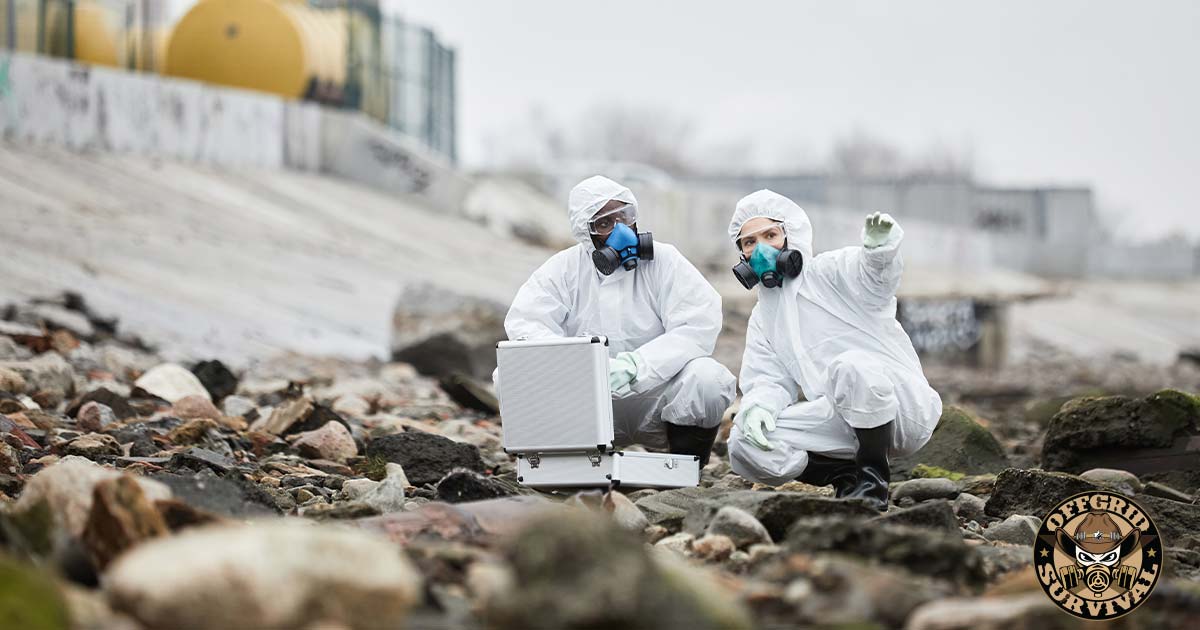
To understand some of our concerns and why we believe it is wise to stay off the government’s radar during disasters, we must first examine the historical performance of federal agencies in response to crises. Unfortunately, we find a disheartening pattern of mismanagement, red tape, questionable decisions – and even worse, the loss of personal freedoms and death at the hands of incompetent government officials. Think that’s hyperbole? Well, then look at what just happened in Maui during the wildfiresv, then tell me the government isn’t a threat to your safety during a disaster.
A Checkered Past We Must Consider!
FEMA, the agency entrusted with responding to natural disasters, often falls short of expectations. Instead of efficiently aiding those in need, their involvement tends to introduce layers of bureaucratic nonsense. Time and again, we witness FEMA struggling to provide timely assistance, leaving disaster survivors frustrated and often times in a worse place than where they started.
Furthermore, depleted budgets, exhausted resources, and overwhelming demand have rendered FEMA ill-prepared to handle even smaller-scale disasters effectively. While many rely on FEMA as their safety net, it’s important to recognize that their limitations could mean the difference between life and death in a crisis.
Government Overreach and the Erosion of Liberties: A Growing Concern
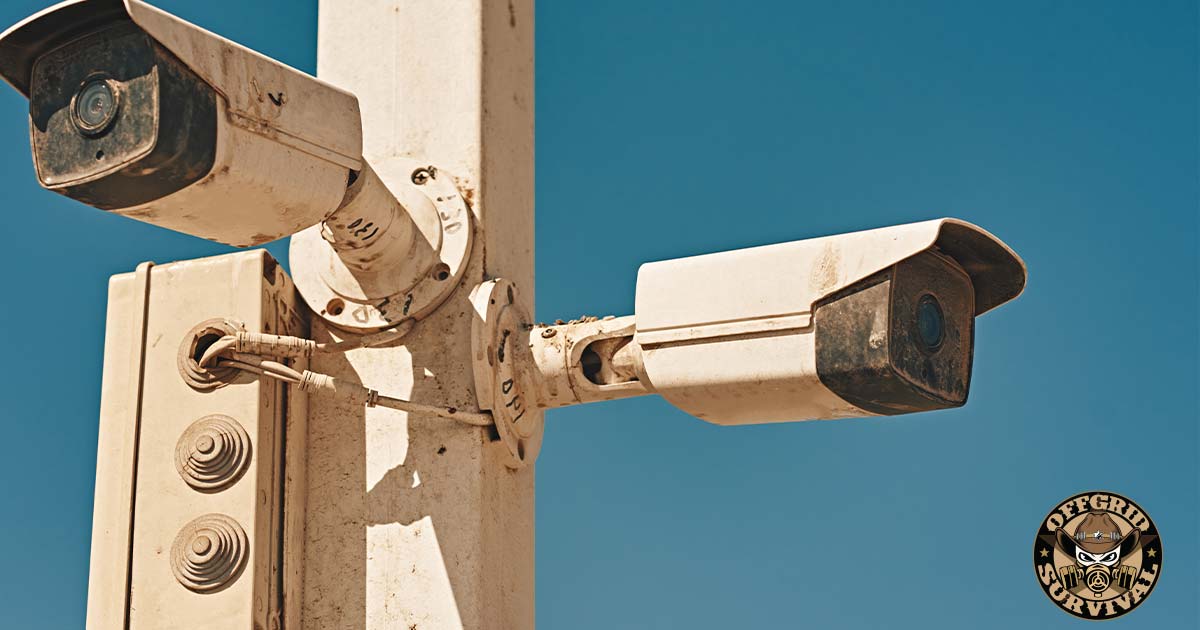
Unfortunately, history is filled with examples of government overreach, where the institutions that are meant to protect citizens’ rights instead have become the architects of their oppression. This concerning trend of eroding liberties becomes particularly pronounced in times of crisis, as governments justify their drastic actions in the name of public safety.
The Thin Line Between Safety and Tyranny
Governments worldwide have long grappled with the challenge of balancing individual freedoms with the ability to maintain order and security. While the necessity of certain limitations on personal liberties in the face of genuine threats can be argued, what we’ve witnessed over the last couple of decades is a growing threat where this thin line is crossed time and time again, paving the way for authoritarianism and the erosion of more of our freedoms. Let’s look at a few recent historical examples.
The USA PATRIOT Act
In the aftermath of the tragic 9/11 attacks, the United States found itself at a crossroads between national security and civil liberties. The response was the USA PATRIOT Act, hastily enacted to supposedly bolster counterterrorism efforts. While it did facilitate critical intelligence-sharing and surveillance measures, it also opened the door to significant abuses of power. Warrantless wiretapping, data collection on American citizens, and the erosion of privacy rights became a reality. What began as a response to a crisis had lasting implications for personal freedoms.
Hurricane Katrina
In the wake of Hurricane Katrina, New Orleans was plunged into a state of emergency. Floodwaters engulfed neighborhoods, leaving residents stranded and desperate for assistance. With law enforcement overwhelmed and resources stretched thin, the city descended into chaos.
Amid the unfolding disaster, a troubling directive emerged. New Orleans city officials, including then-Mayor Ray Nagin, made the controversial decision to order firearms confiscation. In an attempt to disarm law-abiding citizens, New Orleans police and National Guard troops were deployed to seize privately owned firearms, supposedly to maintain order and curb potential looting.
The COVID-19 Pandemic
The global response to the COVID-19 pandemic witnessed a myriad of government intrusions into every aspect of our lives. Lockdowns, travel restrictions, vaccines passports, and mask mandates were among the measures adopted, with the government claiming it would stop the virus’s spread. However, the line between safeguarding public health and infringing on individual rights became blurred. In some cases, authorities used the crisis as a pretext to stifle dissent, restrict movement, and curb free speech.
These disasters and their aftermath stand as a cautionary tale, illustrating the very real dangers of government overreach when individual rights are cast aside in the name of crisis management.
But make no mistake, this trend isn’t new, and it should serve as a stark reminder that in times of crisis, governments may seize greater control over our lives. These actions can extend beyond health concerns, potentially infringing on our rights under the First and Second Amendments.
Understanding Martial Law & Emergency Orders

Martial law is a term that strikes fear into the hearts of most freedom-loving people. It represents a state of affairs in which military forces assume control over civilian authorities, suspending normal legal processes and civil liberties. Emergency orders, while less extreme than martial law, can also threaten individual freedoms – as seen throughout the three years of continuous COVID panic. Government officials typically issue these orders during crises and grant expanded powers to address the emergency— but there is a fine line between necessary intervention and governmental overreach.
From a preparedness standpoint, the use of martial law and emergency orders must be carefully scrutinized. The preservation of individual liberties, including the right to bear arms, freedom of speech, and protection from unwarranted searches and seizures, are all things that the government will try to suspend during times of crisis. Let’s look at the most likely threats:
- Resource Confiscation: FEMA possess the power to confiscate essential supplies for distribution. It’s crucial to understand that your own stockpiles of food, water, and resources could be subject to seizure.
- Rationing and Price Controls: During times of scarcity caused by disasters, governments often implement rationing and price controls, which limit the freedom of commerce.
- Utilization of Government Camps: FEMA has access to numerous government facilities, some of which could be converted into refugee camps or relocation centers. These facilities may serve as places of refuge or control during crises.
- Restrictions on Movement: Border closures or internal travel restrictions are often applied during pandemics, natural disasters, or other crises.
- Internet and Communication Blackouts: In certain circumstances, governments around the world have shut down internet access or other forms of communication. This is often justified as a means to control the spread of disinformation or quell social unrest.
- Suspension of the 2nd Amendment: One of the most contentious aspects of martial law is its impact on the Second Amendment. History has shown that under martial law, authorities may attempt to disarm citizens in the name of public safety.
- Unclear Plans and Hidden Agendas: One of the prevailing concerns about FEMA is the lack of transparency regarding their emergency plans. The government’s propensity to leverage disasters for power consolidation fuels conspiracy theories and distrust among citizens.
Navigating the Path to Invisibility During Times of Crisis
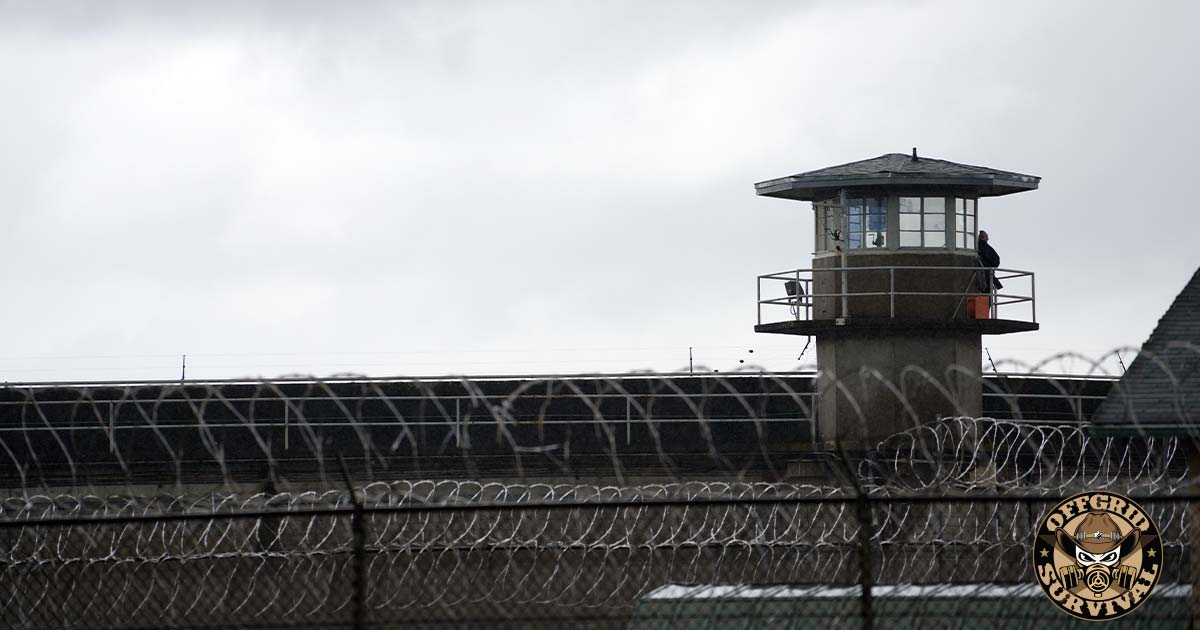
Maintaining invisibility during disasters becomes one of your top concerns in a world where government overreach is a real threat. Here are strategies to ensure you stay off the government’s radar and safeguard your freedom:
1. Bug Out Early
The best defense is often a strategic retreat. If you anticipate FEMA’s involvement in your area, consider bugging out before their arrival. Catastrophic events that warrant FEMA’s intervention usually signal the need to evacuate anyway. Their presence should reinforce your decision to leave, not deter it.
Bug out Resources:
- Bugout Guide: 60+ Preparedness Resources for Getting the Hell out of Dodge!
- Budget Bugout: Building your bugout bag on a budget.
- Prepper 101: Your Survival Guide to Getting Started
- 7 Categories of Gear that are in Every Good Bug out Bag
- Bugging In vs Bugging Out: Have you Planned for Both Options?
- The Ultimate Situational Survival Guide: Self-Reliance Strategies for a Dangerous World
2. Don’t Seek Help or Handouts
Government agencies, including FEMA, offer aid primarily to those who haven’t prepared adequately. As a prepper, your resources and skills should surpass what the government can provide. Accepting government assistance requires revealing personal information and residency proof, undermining your invisibility.
We recommend staying away from anything you must put your name on or register for during times of disaster and crisis. Instead of counting on the government, put together a local network that you can rely on — networks of like-minded individuals. These communities can band together in times of crisis, sharing resources, knowledge, and support.
3. Observe OPSEC (Operational Security)
OPSEC doesn’t end when disaster strikes; it intensifies. Avoid drawing attention to yourself by concealing signs of affluence, such as cooking smells, burning garbage, or excessive lighting. Stay hidden and blend in with your surroundings to remain unnoticed.
4. Stay Away from Government Installations
Avoid all government facilities, including municipal and federal structures. Local authorities might more likely recognize and scrutinize residents, particularly in small communities. Steer clear to minimize the risk of unnecessary attention.
5. Practice the Art of Alibi
If all else fails, be prepared to employ an alibi. Develop a backstory and rehearse it thoroughly. Conceal your prepping activities under the guise of a legitimate hobby or interest. An effective alibi can help maintain your privacy and freedom during critical times. A clerk at the store asks you about all those bottles of water you are buying… “Oh, I coach high school football; it’s for our game this weekend!
In the United States, the declaration of martial law is a troubling possibility that everyone should be aware of, especially given the current climate of uncertainty and government encroachment into all aspects of life.
The Path Forward: Self-Reliance and Vigilance
In a world where government intervention is a double-edged sword, self-reliance and vigilance are our greatest allies. While we may hope for FEMA’s assistance in times of crisis, we must never put ourselves in a position where we must rely on their aid. Instead, we must prepare to take care of ourselves and our families on our own.
Remember the lessons of history and the importance of safeguarding your personal liberties. Invisibility to government agencies during disasters isn’t an act of paranoia; it’s an assertion of your rights and a commitment to preparedness and self-reliance. As responsible citizens and preppers, we must adapt, prepare, and remain vigilant to protect our way of life in an ever-changing world.
Stay vigilant. Stay invisible. Stay free.