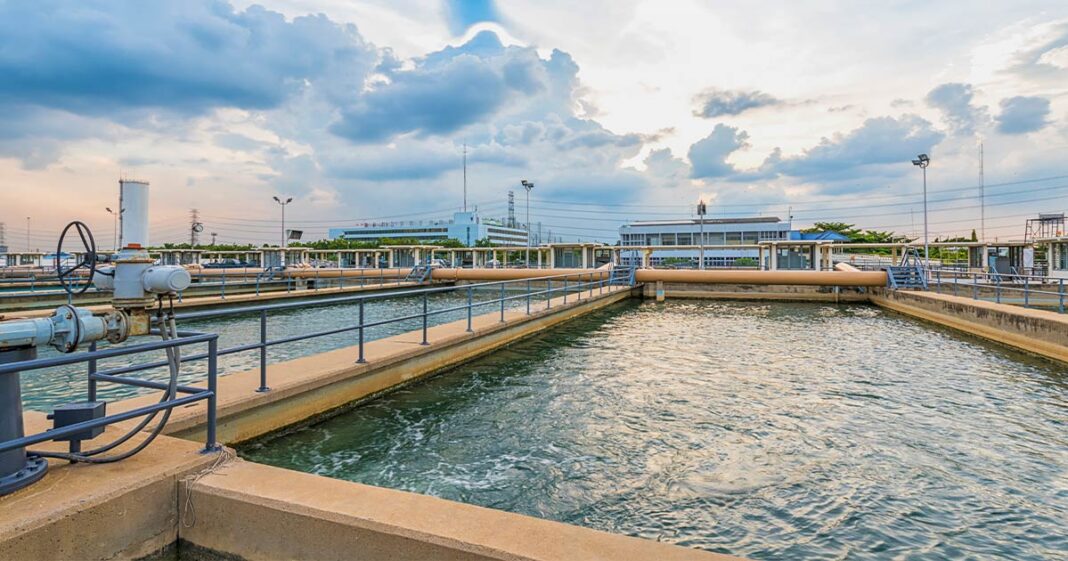
Water is life – we’ve said it before, and it bears repeating. But in a time of escalating global conflicts, water isn’t just a resource; it’s becoming a prime target for disruption, sabotage, and outright weaponization. From deteriorating domestic infrastructure to international wars where dams and desalination plants are bombed, the safety of our public water supplies is more precarious than ever.
As someone who’s been preaching preparedness for years, I want to update our focus: it’s not just about everyday contaminants anymore. With ongoing wars in the Middle East, Ukraine, and beyond, plus emerging threats like sleeper cells here at home, we need to think strategically about how to safeguard our access to clean water.
Back in 2013, I wrote about the vulnerabilities in U.S. water systems – aging pipes, chemical pollutants, and the ease with which terrorists could contaminate supplies. Those concerns haven’t gone away; if anything, they’ve intensified with global tensions. Let’s revisit the basics and look at the current threat matrix.
What’s Still Lurking in Our Water Supply?
Our public water systems remain frustratingly stuck in the past. A significant portion of U.S. infrastructure dates back to the early 20th century—or even earlier—with pipes, treatment plants, and delivery networks that haven’t kept pace with modern realities. These old systems handle basics like bacteria and parasites reasonably well, but they struggle against today’s cocktail of threats: industrial pollutants, heavy metals, persistent “forever chemicals,” and trace pharmaceuticals.
- Chromium-6: This carcinogenic heavy metal (the infamous “Erin Brockovich” chemical) is far more widespread than many realize. Recent Environmental Working Group (EWG) analysis shows it’s contaminating tap water serving over 250 million Americans across all 50 states—with no enforceable federal limit despite clear links to cancer in lab studies.
- PFAS (“Forever Chemicals”): These persistent endocrine disruptors—used in everything from nonstick cookware to firefighting foam—are now one of the biggest emerging threats. EPA and EWG data from 2023-2025 testing reveal PFAS in drinking water systems serving at least 151 million people (and estimates up to 200 million+ at detectable levels). Linked to hormone disruption, infertility, immune suppression, thyroid issues, obesity, developmental delays in kids, and various cancers, they’re truly “forever” because they don’t break down easily.
- Lead: Corroded old pipes continue leaching this neurotoxin, with devastating effects on learning, behavior, and development—no safe level exists, especially for children. New EPA data (2021-2024) shows systems serving about 251 million people detected lead at or above safe thresholds for kids (1 ppb), while tens of millions face higher risks. High-profile disasters like Flint are symptoms of a nationwide problem, with millions of lead service lines still in the ground.
- Pharmaceuticals and Other Endocrine Disruptors: Trace amounts of antibiotics, mood stabilizers, hormones, and other drugs cycle through wastewater treatment back into taps, affecting millions. Combined with other hormone-disrupting chemicals, they contribute to rising rates of infertility, obesity, gender-related developmental issues, and more.
As global conflicts escalate and intentional sabotage becomes a real risk, our outdated, vulnerable systems become even bigger sitting ducks. Without major upgrades, everyday exposure could compound into crisis-level threats when someone decides to exploit the weaknesses.
Water Infrastructure: A Soft Target in Modern Warfare
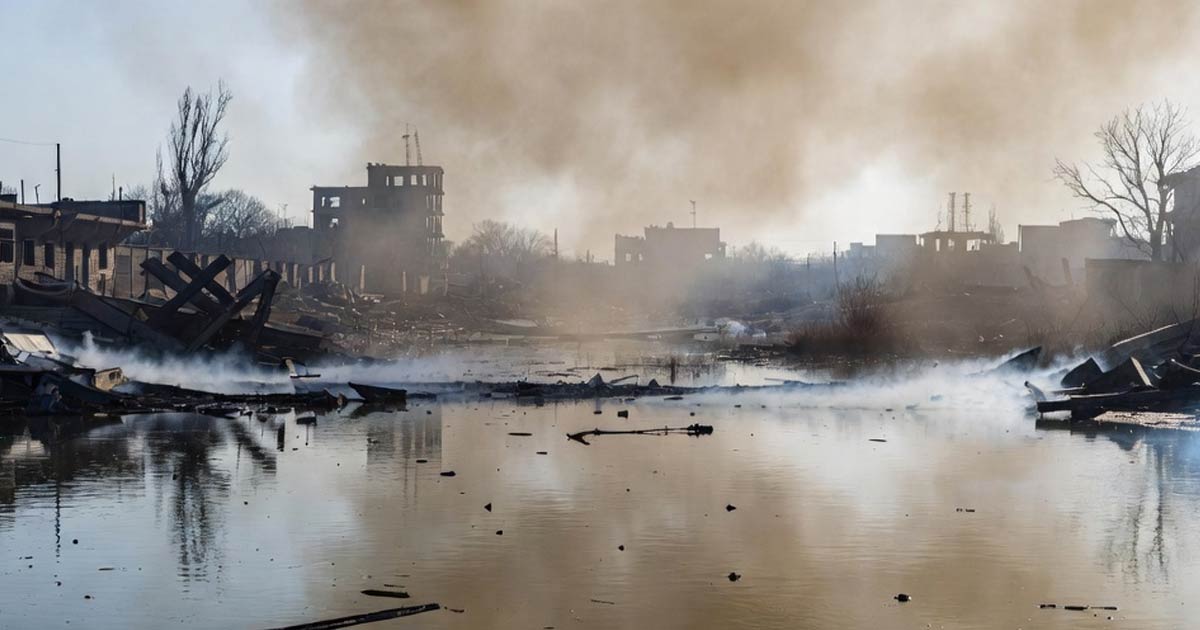
Wars aren’t just about grabbing land anymore—they’re about breaking what keeps people alive. Water systems make perfect targets: smash a dam, poison a plant, or hack a pump, and you create instant chaos without firing a thousand rounds. We’ve watched this unfold again and again in recent years.
Take Russia-Ukraine. Attacks on water infrastructure never stopped after the 2023 Kakhovka Dam blowout, which flooded villages, ruined farmland, and left millions without clean supplies. Now, in early 2026, Russia’s shifting focus—hitting treatment plants and city water networks in a new wave of strikes. After pounding energy grids all winter and failing to freeze Ukraine into submission, they’re going after water to make life unlivable as spring hits. Entire regions lose power and water, hitting civilians hardest.
In Gaza, it’s even more deliberate. Israeli forces have hammered desalination plants, sewage systems, wells—you name it. Most plants are offline or barely limping along due to damage, fuel shortages, and restrictions. Families drink salty, contaminated water that smells off, or nothing at all. Wastewater seeps into what little drinking sources remain, sparking disease outbreaks. Water denial here kills as surely as any bomb.
Africa’s seen it too. The Tigray war wrecked half the water schemes through looting and outright destruction. And the Grand Ethiopian Renaissance Dam (GERD) on the Nile still has Egypt and Sudan on edge—fears of reduced flows downstream nearly sparked open conflict before, and U.S. mediation pushes in early 2026 keep the pot simmering.
Right now, though, the Iran conflict is dragging water straight into the headlines. Since the February 2026 U.S.-Israeli strike that took out Iran’s supreme leader, desalination plants across the Gulf have become fair game. An Iranian drone slammed a Bahrain facility just days ago, causing real damage (though supplies held for now). Iran fired back, accusing the U.S. of hitting their Qeshm Island plant and cutting water to 30 villages. Strikes have rattled UAE, Kuwait, and Qatar too—these countries get 70-90% of their fresh water from desalination. Experts are blunt: take out a few key plants, and arid cities face catastrophe fast, with no quick backups.
Cyber adds borderless threat. Back in 2024, pro-Russia hackers (linked to notorious GRU units) messed with Texas water facilities—overriding controls, causing overflows in small towns like Muleshoe. They even posted videos bragging about it. If that happens during a bigger crisis, it’s game over for local supplies.
Globally, water violence hit records: 420 incidents in 2024 alone, up nearly 20% from 2023, per the Pacific Institute’s tracking. Most involved attacks on infrastructure. Throw in worsening droughts from climate change, and disputes turn deadly quicker.
This isn’t distant history—it’s the playbook enemies are using right now. Our own systems are vulnerable, and when water becomes a weapon overseas, it reminds us how fast things can go sideways at home.
The Homefront: Sleeper Cells, Cyber Sabotage, and the Real Risk to U.S. Water
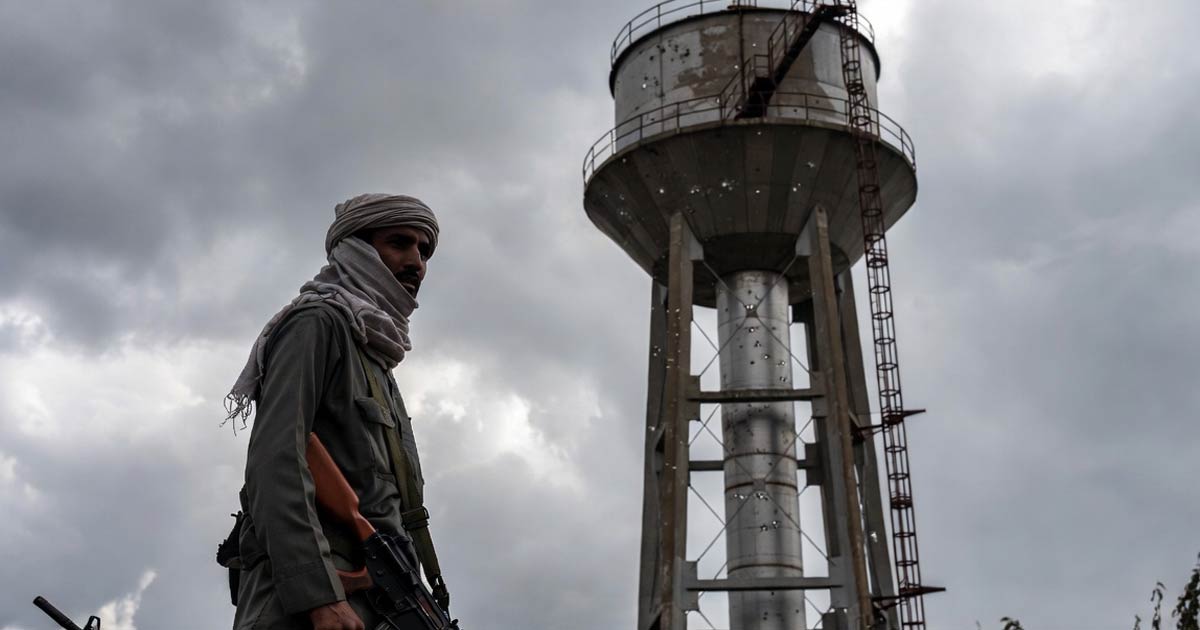
Here at home, the vulnerabilities we exposed back in 2013 haven’t been fixed—they’ve multiplied. Our water systems are still soft targets: aging infrastructure, easy physical access points, and now digital controls that hackers love to exploit. What looked like isolated incidents years ago—cut fences in Wisconsin, breached gates in Florida, foiled al-Qaeda poisoning plots—now feels like a preview of what’s possible when geopolitical heat turns inward.
Fast-forward to right now, March 2026: The U.S. just intercepted encrypted communications straight out of Iran that could serve as an “operational trigger” for sleeper cells or covert operatives abroad. A federal alert went out to law enforcement agencies warning that these signals—relayed across multiple countries shortly after the February 28 strikes that killed Supreme Leader Ali Khamenei—might activate prepositioned assets. No specific plot has been confirmed yet, but officials are blunt: when we go to war overseas, there’s always a homeland component. The FBI has cranked counterterrorism teams to high alert, mobilizing resources nationwide. Experts from former FBI officials to national security analysts are sounding the alarm—Hezbollah-linked networks, Iranian proxies, or even radicalized lone actors could strike here to make us pay.
Water infrastructure sits right in the crosshairs. Why? It’s everywhere, often poorly guarded, and messing with it hits millions fast—without needing bombs or bullets. Back in the early 2000s, we saw how simple: a backflow device at a fire hydrant, hardware-store chemicals, and a city’s supply is contaminated in minutes. FBI bulletins warned then about terrorists recruiting inside utilities; that risk is back with a vengeance amid the Iran mess.
Cyber makes it even scarier and more borderless. Iranian-affiliated groups have already targeted U.S. water systems—think the 2024 hacks where pro-Iran actors messed with small municipal controls in places like Texas and Pennsylvania. The EPA flagged hundreds of cyber vulnerabilities at drinking and wastewater facilities in 2025 alone: default passwords unchanged, ex-employees still with access, unsecured remote interfaces that let outsiders tweak pumps or valves. A single breach could dump chemicals, shut off flows, or flood sewers into drinking lines. Nation-state actors (Iran, Russia, China) probe these weak spots constantly—small rural plants and big city systems alike lack the defenses big energy outfits have.
Add sleeper cells to the mix, and the playbook gets uglier. These aren’t cartoon villains; they’re people living quietly among us—possibly here for years—waiting for a signal. If activated, water could be an ideal low-signature hit: tamper with a treatment plant from inside, poison a reservoir, or use cyber tools to override SCADA systems (like the 2011 Russian intrusion into water pump controls, or the 2012 Texas breach). Law enforcement is watching radio-frequency anomalies and encrypted bursts for signs of activation. Cities like New York, Texas, and others are ramping patrols at sensitive sites.
We’ve been saying it for over a decade: our water isn’t just contaminated by chemicals—it’s targeted by people who want to weaponize it. With tensions boiling over Iran, the threat isn’t hypothetical anymore. Government alerts are out, FBI teams are mobilized, but upgrades to our systems? Still lagging. That means the real defense starts at home
Preparedness: Your Defense Against Water Threats
Governments move at a snail’s pace on infrastructure fixes, so the responsibility falls squarely on us—the individuals and families who refuse to be caught off guard. When the grid fails, conflicts spill over, or sabotage hits close to home, your access to clean water could vanish overnight. The key? Build layers of redundancy now: store what you can, purify what you find, secure your setup, and know where to turn next.
- Water Storage: FEMA and CDC still hammer home the baseline: at least one gallon per person per day for drinking and sanitation—aim for a two-week minimum (or more if space allows; some guides suggest bumping to 1.5 gallons in hot climates or high activity). Use food-grade containers, treat with bleach if needed for long-term storage, and rotate your stock every 6-12 months to keep it fresh. Fill bathtubs, sinks, and pots immediately if a crisis hits—your hot water heater alone can hold 40-50 gallons of usable emergency water (drain it via the bottom valve with a hose).
- Filtration and Purification: Don’t rely on boiling alone—it kills bacteria and parasites but leaves chemicals, heavy metals, and “forever chemicals” like PFAS behind. Invest in robust gravity-fed systems that tackle biologics, chemicals, and more. Berkey-style filters remain popular for off-grid use, but with recent regulatory scrutiny and much better alternatives, check out systems like Boroux Foundation, Alexapure Pro,or ProOne. Combine with UV purifiers for extra biological kill power, or distillation setups for the toughest contaminants. Portable filters like Katadyn Pocket are great for bug-out bags.
- Alternative Sources: Diversify beyond the tap. Set up rainwater catchment with barrels or tanks—simple gutters and food-grade containers can harvest hundreds of gallons during storms. If you’re in a position to drill a shallow well, do it. Coastal folks: look into portable desalination kits (hand-pumped or compact units like QuenchSea or emergency marine desalinator packs) for turning seawater usable in a pinch. Scout and map local natural sources—ponds, streams, rivers—note distances, risks, and access. In urban areas, carry a multi-tool and water spigot key to discreetly access commercial faucets (handles often removed to deter misuse—only for true emergencies, and be smart about it). For more on urban resupply tactics, including plotting routes, finding hidden sources, and escape planning, check out my older piece: Urban Resources: Finding Food & Water During a Long-term Disaster.
- Home Security: Water storage and systems are tempting targets—secure tanks, pipes, and access points against tampering or theft. For off-grid setups, build in redundancies: multiple filters, backup storage, solar-powered pumps if possible. Fortify your property with basic perimeter measures and early-warning tools.
- Prepper Communities and Monitoring: Prep isn’t solo—link up with local groups, neighbors, or mutual aid networks for shared resources and intel. Download the FEMA App for real-time weather alerts, emergency tips, shelter locations, and disaster updates—it pulls National Weather Service data and can notify you of water-related threats..
The safety of our water supply is a serious issue—rotting pipes full of crap we drink, wars overseas blowing up dams and desalination plants like it’s nothing, and now the real possibility of sleeper cells or hackers turning our own systems into weapons right here at home.
When the Shit Hits The Fam, I almost never comes with a warning. One day the tap works fine; the next it’s brown, cut off, or poisoned.

Don’t sit around waiting for the government to fix it—they won’t. Get your water preps locked in now: store what you can, have a way to filter the hell out of anything you find, scout backup sources, and make sure nobody messes with what you’ve got.