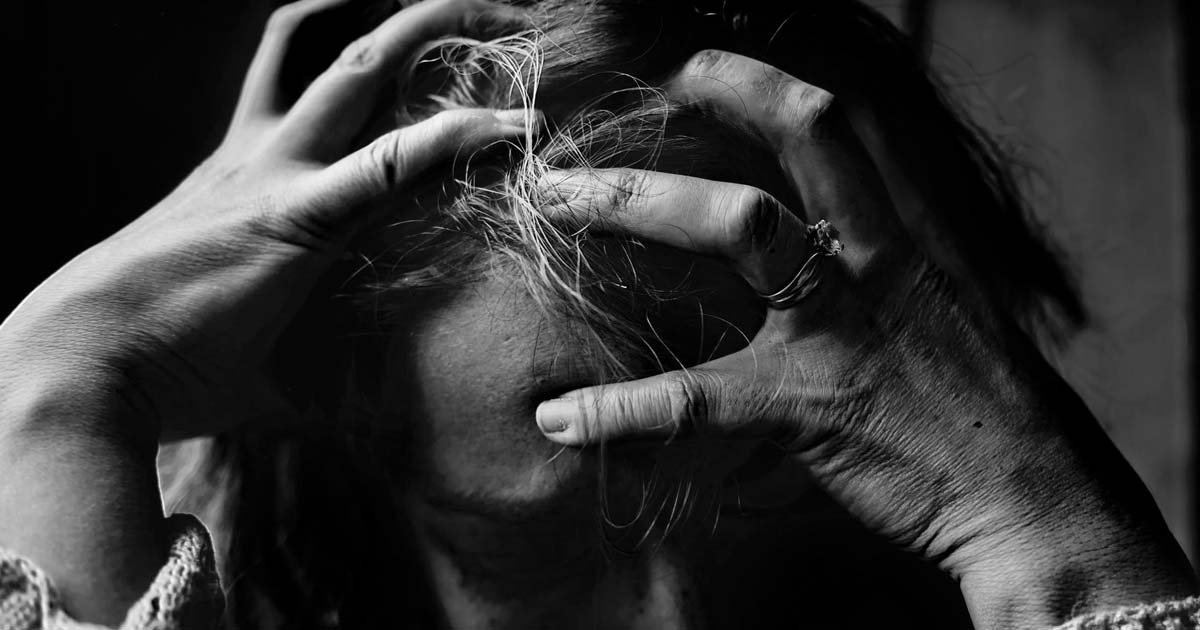
Emergencies can cause extreme amounts of physical and emotional stress. Understanding how to deal with this stress will help to reduce its impact, and can greatly increase your chances of survival during a disaster.
Your response to an Emergency Situation:
The worst thing that you can do is lose your will to survive. Statistics show that 95% of people who die with psychological trauma, do so within the first three days of a traumatic event. How you respond in an emergency situation will determine the outcome of that situation.
Common Reactions to disasters:
- ANXIETY: Anxiety & Panic are both a direct result of fearing what may happen. Once panic sets in, you must quickly realize that you are the one feeding the fire, and then take actions to reduce your anxiety level. Take a deep breath, tell yourself that your thoughts can’t hurt you, and start to make a plan of action. Having a plan is the best way to ease a troubled mind.
- DEPRESSION: Depression in a survival situation can be a killer. Once depression sets in, it quickly becomes almost impossible to make rational decisions. You must do everything in your power to keep your mind focused on positive thoughts. Take time to congratulate yourself for even small victories. That may seem a little odd at first, but it’s important to keep a positive frame of mind at all times.
- HYPERACTIVITY: In the face of danger, some people may become easily agitated. When this happens, the victim can become easily distracted and can take actions that will be detrimental to their survival.
- ANGER – Anger is a common response to an emergency situation. In some cases, anger can be your friend. It can give you extra strength and alertness when confronting an immediate danger. In other cases, it can cloud your judgment and force you to make irrational decisions.
- GUILT – Guilt is a very common emotional response for survivors to feel; in fact, many survivors can actually feel guilty for surviving. Often a survivor will dwell on what they could have done for others, or they blame themselves for the situation.
COPING STRATEGIES:
- TRAIN – People who are prepared, and know what to expect during an emergency situation, are far less likely to fall into the traps listed above. Make sure you train with your equipment so you will feel completely comfortable during a real situation.
- Read, Read and then Read some more. Knowledge is the key to survival; knowing what to do when the shit hits the fan will help you keep a level head during even the most stressful of situations.
- Practice Relaxation Techniques – Learning how to relax during a stressful situation is crucial to your survival. Deep breathing techniques, Yoga, and other relaxation techniques are valuable skills that you should learn.
- Learn How to Stay Positive: The ability to maintain a positive mental attitude during a survival situation is something that needs to be taken seriously. It’s also something that you need to start working on now, before the SHTF.
Things to add to your survival bag or kit:
- Add a Small Tablet Device to your bag, especially if you have kids. The distraction can be enough to get their minds of the immediate effects of the disaster. Tablets can also be filled with valuable survival manuals and videos.
- If you have kids, you need to consider a dedicated bugout bag for each kid, filled with comfort items. With children, comfort items often become a top priority to ensure their overall mental health during a SHTF scenario.
- Carry pictures of family or loved ones in your survival kit
- Carry a survival bible
- Having a way of entertaining yourself can help keep your mind sharp, and your morale up. Playing cards can also be a great addition to your kit.


Being aware of what reactions to expect after a disaster is especially important for those of us who are not trained first-responders or counselors, but may find ourselves in those positions out of necessity.
I NEVER, EVER TIRE OF YOUR SURVIVALIST THEMES AND ADVICE…..KEEP UP THE GOOD WORK!
i think you should look after your self better then you are now
I could not possibly be in more agreement. Use equipment, don’t store it. Make a weapon a natural extension of you. Go out on a cold nasty night, and try to set up a survivable camp. Live a survivalist life style. Don’t simply plan it.