While food in a short-term survival situation is rarely a priority, when it comes to planning for a long-term SHTF situation, food needs to be high on your list of priorities.
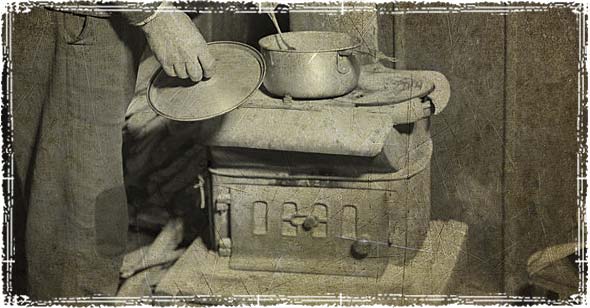
There really is no one size fits all food plan, but there are a couple of rules that people often overlook.
Learn how to cook from scratch
It’s quite shocking how many people are completely unable to cook something from scratch. If you’re serious about preparedness, and you’re in the process of getting started with emergency food storage, learning how to cook is something you cannot afford to ignore. In order to successfully build a stockpile of emergency food, you’re going to need to learn how to cook it, and you’re going to need to learn how to do it with basic ingredients.
- Learning how to Cook from Scratch is one of the most important survival skills you can have. Not only is it a lot healthier for you, but it also gives you a good idea of what it will be like during a long-term survival situation where ready-made food may be hard to come by.
- Best War Time Recipes: A look at preparedness cooking skills from the past.
- Need help finding the right emergency foods and ingredients? Check out our list of the top long-term foods that you can buy at the grocery store.
Make sure it tastes good
Many first time preppers make the mistake of stockpiling foods that they would never eat in a non-survival situation. During an emergency situation, do you really want to start eating foods that may disagree with your body?
- Stock up on foods that you would normally eat on a day-to-day basis. Now I don’t mean that you should stock up on things that will spoil, but you should definitely stock up on foods that your family is familiar with and enjoys eating.
- Don’t forget the comfort foods. Maintaining a positive mental attitude during a stressful survival situation is an extremely important aspect of survival. Don’t discount the need for stocking up on foods that will help you pick up your spirits during tough times.
- Stock up on flavor enhancers like salt, sugar, honey and long-term spices that store well. Without these flavor enhancers you severely limit what you can cook, and almost guarantee your family will quickly get sick of eating the same foods over and over again.
Don’t forget to rotate your stocks
Rotating your emergency food preps into your regular diet is smart for a couple of reasons.
- Using a First in, First Out system of rotation will guarantee that your food is as fresh as possible. You’ll also cut down on waste by not having to throw away food that has spoiled.
- It ensures that your body will be able to handle the food that you buy. If you’re eating it now, chances are you will want to eat it during a disaster.
- It gives you a good idea of how much food you have, and where any short comings in your stockpile might be.
Your Calorie needs will be higher in a SHTF situation
When planning on how much food to store, keep in mind that your needs may be very different from what they are today.
A lot of people recommend a 2,000 calorie per-day diet, but during a stressful long-term disaster situation you will likely have to work a whole lot harder than you do today. From cutting firewood and farming, to hunting and other laborious duties, your body is going to need extra calories to sustain your lifestyle.
Learn how to do without it
While having emergency food can help you get through the initial phases of any disaster, to be truly prepared you need to learn how to do without it. Now I’m not talking about starving; I’m talking about learning the skills you need to feed yourself and your family without having to rely on a stockpile of emergency food.
- Find out what wild edibles are in your area, and learn how to prepare them: Knowing which wild foods are safe to eat can help supplement your food supplies, and can help ensure you have a never ending supply of food on hand at all times. Check out the book, Identifying and Harvesting Edible and Medicinal Plants in Wild (and Not So Wild) Places
.
- Learn how to grow and harvest your own food supply. Check our our article on starting your own survival container garden.
- Learn how to hunt, fish and trap. If you’re just getting started, check out our articles on Basic Hunting Skills, Survival Traps, Trot Lines, and then check out our other site Country Hookers for more in-depth hunting and fishing articles.
When disaster strikes, there’s a pretty good chance your local grocery store is going to be over run in a matter of hours. That means those who haven’t planned are going to be desperate, making your local grocery store the last place you want to be when disaster strikes. To be prepared to face an emergency situation, make sure you develop a good food storage plan and make sure you have enough long-term food to make it through a prolonged crisis.


My wife and I are getting on in years. This is all new to us (prepping) What we did was get 9 month food supply from Food4Patriots. We just bought a log home in ME. I ordered a 3 month supply plus meats from My Patriots supply. So I have food in both places until we fully move to ME. My question is: Did I do the right thing in buying these foods ? I don’t want to have a false sense of security and find out I bought the wrong product when SHTF. Could I get a little help here from someone in the know Thanks, R.N.