
It started early—just another Monday morning. You rolled over, hit the alarm, and asked Alexa for the weather. Silence. Your Ring camera was dead. The banking app wouldn’t load. Even your coffee maker’s “smart” setting was useless. You figured it was the Wi-Fi, until you saw the headlines: Amazon Web Services had crashed.
For a few hours, the modern world froze. Flights delayed. Payments stalled. People locked out of their own homes, cars, and accounts. Then, just as fast as it went down, everything started coming back online.
But what happens when it doesn’t? What happens when the fix never comes, when the “temporary outage” becomes the moment everyone realizes just how dependent—and vulnerable—we’ve all become?
For Anyone Paying Attention: The System Just Proved How Fragile It Really Is
Early this morning, Amazon Web Services went down—again. For several hours, the backbone of the modern internet collapsed, knocking out everything from Snapchat and Reddit to airline systems, payment apps, and even Ring home-security cameras.
This isn’t hyperbole, Amazon controls 30% of the global cloud-infrastructure market.
What happened today wasn’t just a “glitch.” It was a wake-up call for a world that’s gotten lazy, dependent, and too damn trusting of big tech. One internal failure inside Amazon Web Services—and suddenly banking apps, airlines, delivery systems, home security networks, and half the entertainment world froze in place. That’s not progress. That’s a single point of failure on a global scale.
People talk about preparedness like it’s a hobby. But this is why it matters. When one company’s servers hiccup and millions of people can’t communicate, shop, or even unlock their doors, it shows how fragile the entire digital foundation has become. This is about a culture that’s forgotten how to function without the cloud holding its hand.
One Company Pulled the Plug — and Everyone Felt It
At around 3:11 a.m. Eastern, Amazon’s U.S.-East-1 data region went down, taking huge portions of the web with it. Within minutes, major platforms started crashing. Snapchat, Reddit, Signal, and Roblox vanished. Airlines couldn’t process check-ins. Banks and payment apps froze. Even Amazon’s own warehouse systems stopped working.
By sunrise, engineers were still scrambling to fix it. The cause turned out to be internal network and DNS failures—the backbone that tells the internet where to find itself. In plain terms: one mistake inside one company temporarily erased access to a massive piece of modern life.
They got it back up, sure. But for hours, millions were blind and disconnected. And if a few lines of bad code can cause that kind of chaos, imagine what happens when it’s not an accident.
The Cloud Isn’t Your Backup — It’s Your Weak Point
Amazon controls about a third of the world’s cloud infrastructure. Add Google and Microsoft, and nearly 70% of the internet depends on three companies. That means your email, your security cameras, your payment app, and probably your medical records all live in the same few server farms.
People like to think of “the cloud” as this infinite, magical place where their data is safe. It’s not. It’s just someone else’s computer, sitting in a warehouse, run by people you’ll never meet, bound by policies you’ll never see. And when that warehouse goes dark, so does your life.
We’ve reached the point where even basic day-to-day living—locking doors, paying bills, reading news—relies on a few private corporations never making a mistake. That’s not security. That’s dependency disguised as progress.
If They Can Turn It Off, You Don’t Own It
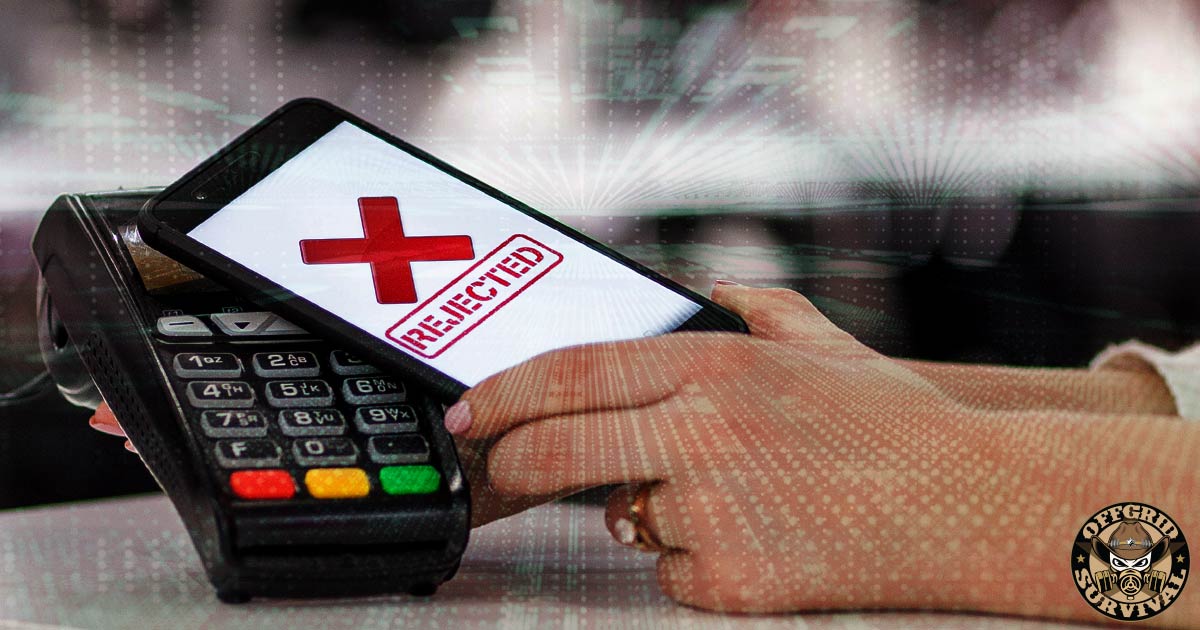
This isn’t just about losing access to a game or a website. It’s about control. When every device, app, and payment runs through centralized digital systems, you no longer own anything—you just have permission to use it.
Today’s outage should make people think hard about what happens in a fully cashless world. If a company glitch can lock you out of your money for a few hours, imagine what a Central Bank Digital Currency could do. It’s not just about convenience—it’s about surveillance, compliance, and control.
We’ve already written about this at length: Why Preppers Should Be Seriously Concerned About a Cashless Society. But days like this prove the point. The system doesn’t have to be hacked to take you down—it can fail on its own.
Outages Are the Dress Rehearsal for What’s Coming
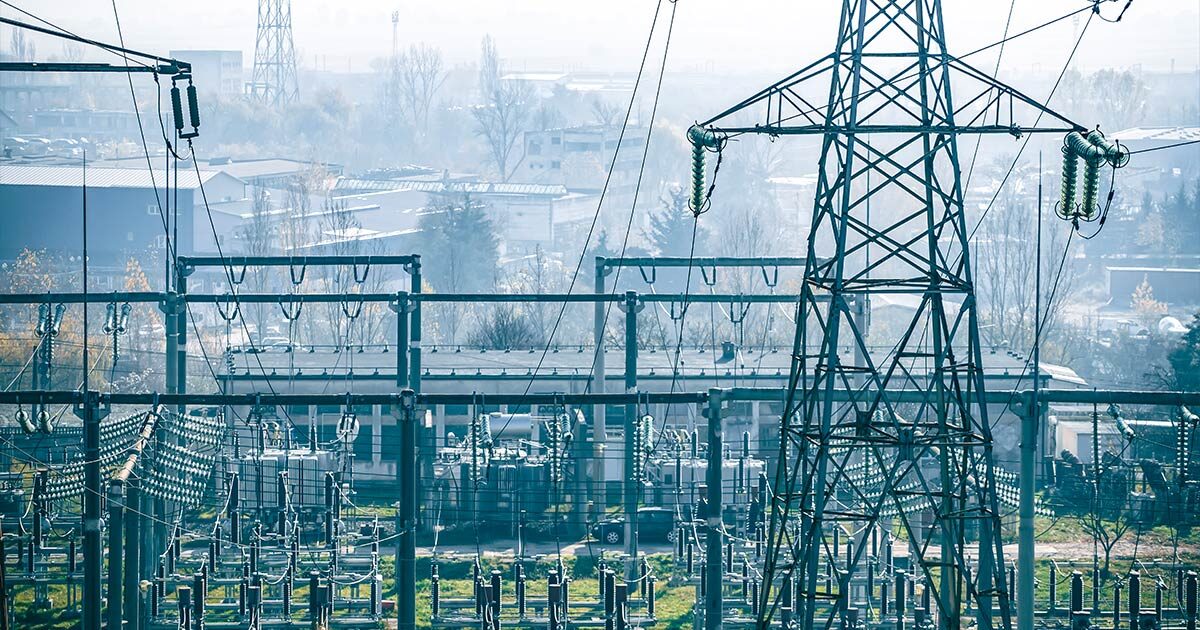
This time it was an internal error. Next time, it could be a coordinated attack, a rogue update, or an intentional shutdown. We’re not talking hypotheticals here. Over 85% of America’s critical infrastructure is privately owned—banks, grids, telecom, data—all of it. Oversight is inconsistent, security is weak, and attacks are increasing.
We’ve already seen what one company’s mistake can do. Now picture a targeted hit on several at once: payment systems jammed, communication networks failing, supply chains freezing in place. It wouldn’t take long before panic, shortages, and violence follow.
And that’s not fearmongering—it’s reality. When the digital leash breaks, society snaps with it.
Prep Like the Internet Doesn’t Exist
If today’s outage didn’t convince you to take prepping seriously, nothing will. This isn’t about stockpiling for the apocalypse—it’s about building a life that still works when the system doesn’t.
Keep cash on hand. Use devices that work offline. Print maps, contacts, and vital info. Back up what you actually need on hard drives you control. Get radios, solar chargers, and barter items. Build local connections and trade networks.
Don’t wait until a “temporary” outage becomes a permanent problem.
Because if today proved anything, it’s that the world isn’t as connected as it thinks—it’s just balanced on someone else’s server, and all it takes is one mistake to pull the plug.
How to Prepare for Cyber Attacks and Tech Outages
Today’s global tech outage is a critical wake-up call about the importance of preparedness in our digital society. When our world relies so heavily on technology for everything from communication to emergency services, these systems’ vulnerabilities can have far-reaching consequences.
Here’s how to stay prepared:
We suggest reading our article on EMP Preparedness: Preparing for an Electromagnetic Pulse Attack and Protecting yourself from Attacks on our Power Grid.
Part of truly being prepared for anything, means knowing exactly how this type of threat will affect your long-term preparedness efforts. By performing a realistic threat assessment, you can get a better idea of how this threat will affect you and what you can do to prepare for the situation.
The Ultimate Situational Survival Guide: Self-Reliance Strategies for a Dangerous World: This guide provides in-depth strategies for self-reliance, helping you prepare for a wide range of threats, from economic collapse to natural disasters.
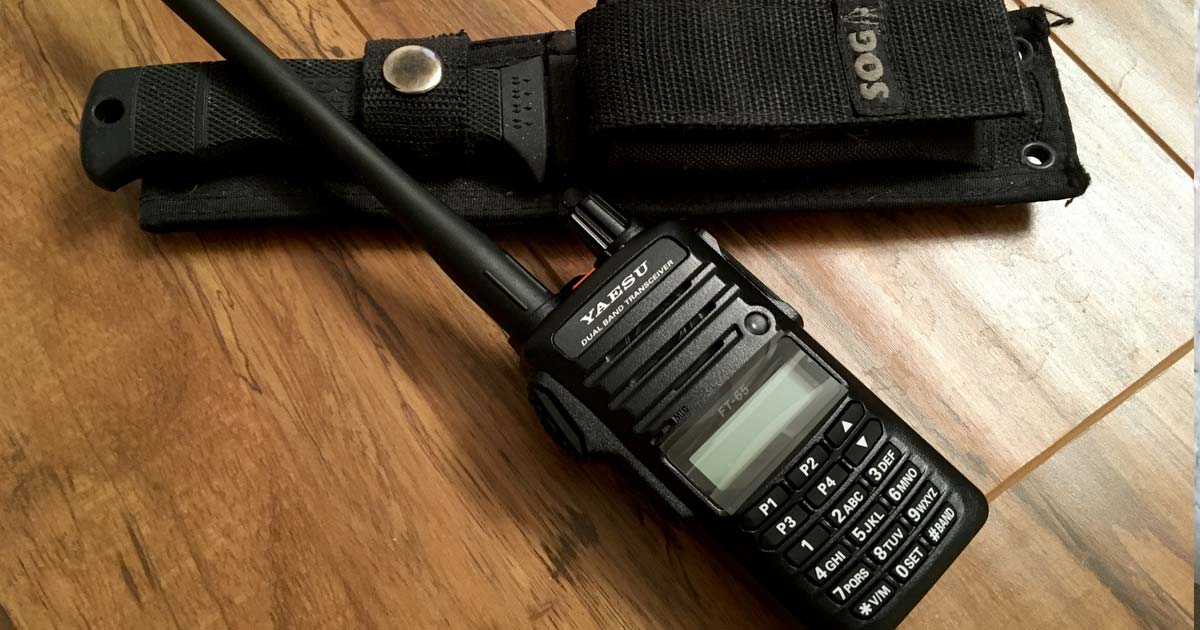
When the power lines go down, the internet blackout starts and the grid crashes; there is one line of emergency communication that will still be alive and well – HAM RADIO. A good survival plan must include some type of emergency communications equipment. The ability to send and receive information, after the grid goes down, is vital to being able to survive that situation.
For more information on Ham Radio and Emergency Communication, check out these articles:
- Prepper Radio: The No-BS Ham Radio Technician Exam Prep Guide
Your Key to Passing the Amateur Radio Technician License Test and Taking Your Emergency Communication Skills to the Next Level - HamRadioPrepper – Visit our site on emergency communication!
- Ham Radio Prepper: Communications Monitoring: The Importance of Radio Monitoring and Intelligence Gathering During Crisis Situations
- Emergency Communications When TSHTF
- Ham Radio Cheat Sheet
- Situational Intel: Knowledge is Power during a Crisis
Stock up on the Basic Survival Necessities
Think about what things you need to survive, and start to stock up on those items now. Water, Food, Shelter and Protection should all be at the top of the list. In my opinion water, food, shelter and protection are the most important things that you can stock up on. If you can cover those four categories then you will be far better off than 99% of the country.
Be Prepared to Feed Yourself when the Collapse Hits!
- Best Emergency Food: The Top Survival Food Supplies
- Survival Food – 56 Long-Term Survival Foods and Supplies at the Grocery Store
- Prepper 101: Your Survival Guide to Getting Started
Grocery Options that ship right to your Home:

Great article but it will take more than one glitch for a national emergency.
We think offline hotspots like ours, the Prepper Disk, are another way to mitigate against this! Having a digital stash of maps, wikipedia, medical guides, repair guides, etc. all offline and protected makes these events less impactful.