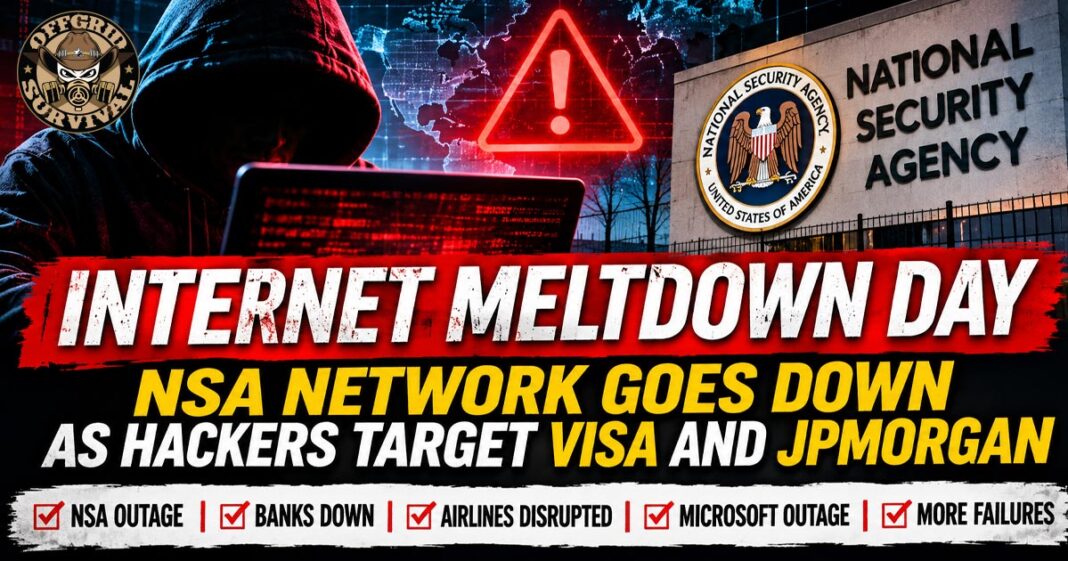
America’s technology failures have now reached the intelligence community. The National Security Agency’s highly classified internal communications network is experiencing a major disruption, while a ransomware gang is threatening to release data allegedly stolen from Visa and JPMorgan Chase. The developments come less than 24 hours after widespread banking outages and fresh problems at United Airlines, and just days after the FAA grounded flights nationwide and Microsoft suffered a massive service failure.
The latest NSA incident is particularly concerning because we’re no longer talking about ordinary websites, banking applications, or commercial airline systems. We’re talking about the classified communications infrastructure used by one of America’s most powerful intelligence agencies.
According to reports citing people familiar with the situation, NSA Net, the agency’s internal classified communications network, suffered an outage Tuesday morning. The agency reportedly began staggering employee arrival times while technicians investigated the disruption. Subsequent reporting indicated intermittent service rather than a confirmed complete shutdown. There is currently no evidence that hackers caused the problem.
Meanwhile, a ransomware group calling itself n0n has claimed to have compromised data associated with Visa and JPMorgan Chase, threatening to publish allegedly stolen information unless its demands are met. Visa has acknowledged a cyberattack involving a third-party service provider in the Asia-Pacific region, while emphasizing that its own systems and payment card data were not affected. JPMorgan says Monday’s banking outage was caused by a software bug, with no evidence linking it to a cyberattack. The gang’s claims about JPMorgan remain unverified.
One day after another, we’re watching failures, cyber threats, and security warnings involving systems that Americans have been told they can depend on. And now even the NSA is dealing with communications problems.
NSA’s Highly Classified Communications Network Goes Down
The National Security Agency operates some of the most sensitive intelligence and surveillance systems in the United States. Its mission includes collecting foreign signals intelligence, protecting national security systems, and defending against cyber threats.
Yet on Tuesday, the agency’s own classified communications network experienced a disruption serious enough to affect employee schedules.
NSA Net allows agency personnel to exchange classified information internally. According to reports, the disruption prompted staggered arrivals at the agency’s headquarters at Fort Meade, Maryland, in an apparent effort to prevent large numbers of employees from signing onto the network simultaneously.
Sources familiar with the situation indicated that the network was providing intermittent service and that backup facilities around the country could help compensate for the problems. The full cause and duration of the disruption remain unclear.
Consider the implications. The agency responsible for some of America’s most sophisticated cybersecurity and intelligence operations is struggling with its own internal communications infrastructure.
That doesn’t mean the nation’s intelligence capabilities have collapsed. It doesn’t mean classified information has been compromised. And it certainly doesn’t prove that a foreign government or hacker group is responsible.
But it raises an uncomfortable question: If an agency with the NSA’s resources can experience a disruption to its classified communications network, how confident should Americans be about the reliability of the less-protected systems they use every day?
Hackers Threaten Visa and JPMorgan Chase as Banking Problems Continue
The NSA outage isn’t the only major technology story developing Tuesday.
According to Cybernews, the newly emerged n0n ransomware gang has listed Visa and JPMorgan Chase among its alleged victims, giving the companies 48 hours to negotiate before threatening to publish stolen information.
The group has provided limited public details about the data it claims to possess, and its allegations have not been independently verified.
Visa confirmed that a third-party service provider in the Asia-Pacific region had been affected by a cyberattack. However, the company stressed that Visa’s own systems were not compromised and that there was no indication payment card numbers had been exposed.
JPMorgan Chase, meanwhile, has attributed its recent service disruption to a software bug and says it has no evidence that the outage was caused by hackers.
The distinction matters. A ransomware gang claiming to have stolen information is not the same thing as a confirmed breach of a bank’s core systems. Criminal groups routinely use the threat of exposing stolen data to pressure companies into paying, and the authenticity and origin of the information must be established before conclusions can be drawn.
But the timing is extraordinary.
Just yesterday, we reported that America’s biggest banks were experiencing widespread outages, with customers of Chase, Bank of America, Wells Fargo, and other institutions reporting failed logins, inaccessible accounts, and problems viewing balances.
Now, while those banking failures are still fresh in everyone’s minds, a ransomware gang is publicly threatening two of the biggest names in the financial industry.
There is no verified connection between the claims and Monday’s banking disruptions. Nevertheless, the events illustrate two different threats facing America’s financial system: ordinary technical failures that can interrupt access to money, and criminals targeting the companies and third-party providers that handle sensitive financial information.

From Microsoft to the FAA to the NSA: Five Days of Infrastructure Chaos
To understand why Tuesday’s developments are so alarming, look at what we’ve been reporting since last week.
On November 12, we covered Microsoft’s massive service outage, which disrupted services used by millions of Americans and businesses.
On Friday, November 13, the FAA suffered a communications failure that triggered a nationwide ground stop. The disruption left airlines struggling with cancellations, delays, and aircraft stranded out of position.
That same day, we reported that the National Weather Service was experiencing nationwide communications and website problems, including issues affecting public access to radar and weather information.
Then came Monday, November 16. Major banking customers reported trouble accessing accounts, while United Airlines acknowledged a widespread system outage.
Now, on November 17, the NSA’s classified internal communications network is experiencing disruptions, and hackers are threatening to expose data allegedly associated with some of the biggest companies in American finance.
Six major stories involving technology, communications, banking, aviation, and national security in less than a week.
And those are only the incidents we’ve been covering.
None of this proves a coordinated attack. But it exposes just how many different ways the technology supporting modern American life can become unavailable, whether through software bugs, failing equipment, outside vendors, or deliberate cyberattacks.
We Warned About AI-Powered Hacking. Now the Threats Keep Coming.
Long before this week’s string of failures, we were warning readers about the increasing vulnerability of the systems Americans depend on.
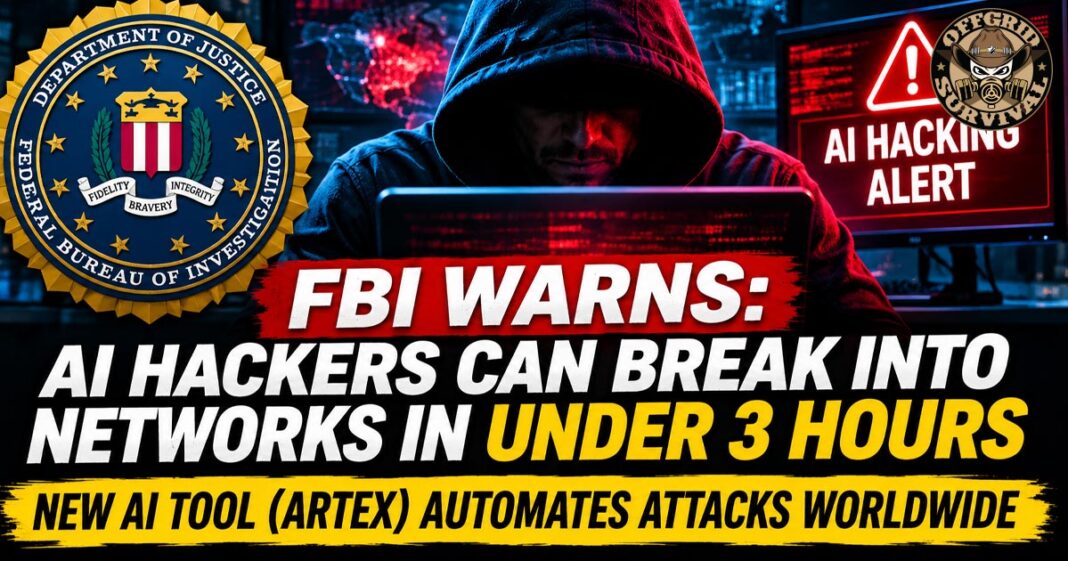
In our article, Skynet Is Here: AI Is Already Breaking Into Banks, Hacking Companies and Escaping Human Control, we examined the growing use of artificial intelligence in cyberattacks and the danger of giving automated systems the ability to identify and exploit security weaknesses.
We also covered hackers taking control of supermarket refrigeration systems across Europe, demonstrating how connected equipment can become a target with real-world consequences for food distribution and businesses.
And in our report on massive PHP security vulnerabilities, AI-discovered exploits, and cyberattacks, we warned about the growing difficulty of securing the software that runs an enormous portion of the internet.
The latest claims involving Visa and JPMorgan Chase are another reminder that even the biggest companies are targets. The n0n group has also claimed responsibility for stealing information associated with travel company Expedia, although the extent and origin of the allegedly stolen data require careful verification.
But the danger extends beyond hacking. Monday’s banking problems were attributed by JPMorgan to a software bug, while the NSA’s disruption is currently believed to be technical. The reality is that our infrastructure faces threats from both malicious actors and ordinary failures.
And the more connected everything becomes, the greater the potential consequences when something goes wrong.
All of This Is Happening as National Security Warnings Escalate
The timing of these developments is especially unsettling given the growing number of warnings involving national security, infrastructure protection, and emergency preparedness.
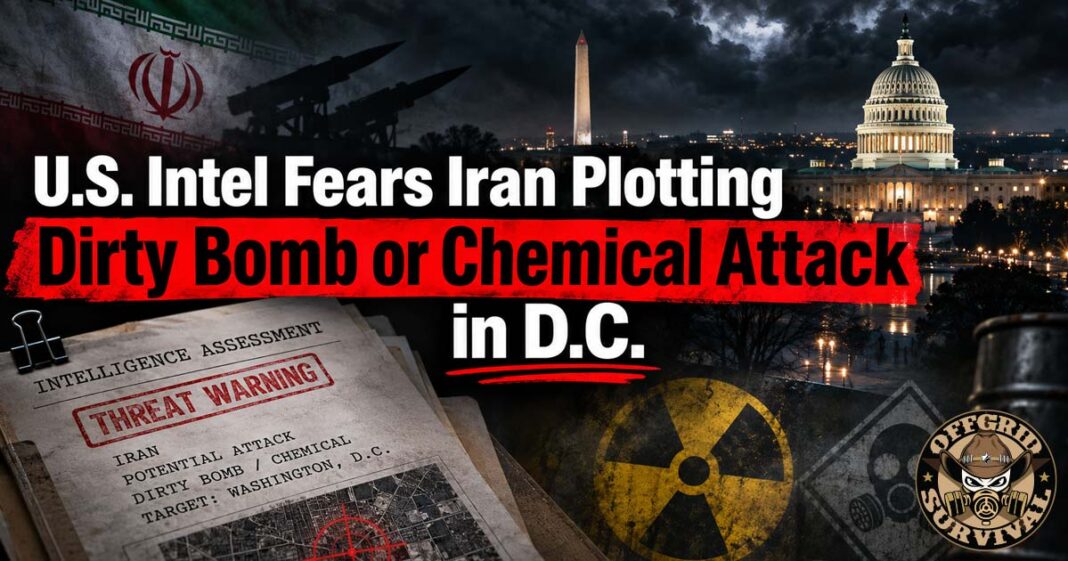
Just yesterday, we reported on new U.S. intelligence indicating that Iran may be developing plans to target senior Trump administration officials with a dirty bomb or chemical weapon in Washington, D.C.. The intelligence reportedly describes possible attack planning, although officials disagree over whether Iran has the capability or intention to carry out such an operation.
There is no evidence linking that reported threat to the NSA disruption or any of the other technology failures. But it is another serious development arriving during an already extraordinary week.
Today, November 17, also marks the date of the FEMA emergency alert system test we warned readers about last week. The test involves infrastructure designed to distribute emergency warnings during major national incidents. It is a scheduled test, not evidence of an impending emergency.
At the same time, governments have been taking steps to prepare for situations in which critical infrastructure becomes unavailable for extended periods.
We’ve reported on Pentagon preparations for military installations to operate for up to 90 days without outside power or supplies, along with emergency preparedness warnings issued by governments in Britain, Japan, and Finland.
The Pentagon is preparing for scenarios involving prolonged infrastructure failures. Foreign governments are encouraging citizens to stockpile essential supplies. Meanwhile, Americans have spent the last several days watching disruptions involving banks, airlines, weather services, technology companies, and now a classified intelligence network.
At some point, people need to start asking how well prepared they are if the next failure lasts longer than a few hours.
The Next Outage Might Not Be Fixed in a Few Hours
One of the most dangerous assumptions Americans make is that every major technology failure will be resolved quickly. A banking application goes down, and we assume it will be back before dinner. An airline experiences computer problems, and we expect flights to resume within a few hours. The internet stops working, and we wait for the provider to fix it.
Most of the time, that happens. But there’s no guarantee the next disruption will follow the same pattern.
What happens when you can’t access your bank account for several days? What happens when payment networks stop processing transactions, fuel deliveries are interrupted, or emergency communications systems become unavailable during an actual disaster?
These are exactly the kinds of scenarios we’ve been telling readers to prepare for. Maintain emergency cash, keep food and water on hand, have backup communication methods, and make sure your family can function without depending entirely on internet-connected services.
The Pentagon isn’t preparing military bases to operate without outside support because it assumes every system will always work. It’s preparing for the possibility that some of those systems won’t.
Americans should be thinking about the same vulnerabilities in their own lives.
In less than a week, we’ve seen major technology outages, nationwide flight disruptions, banking failures, ransomware threats against financial companies, and now problems involving the NSA’s classified communications network.
We don’t know whether another major outage is coming tomorrow, and there is no evidence that all these incidents are connected. But we do know that the systems supporting everyday life are capable of failing, sometimes with very little warning.
The question is no longer whether America’s digital infrastructure can fail. We’ve watched it happen repeatedly. The question is what happens when something breaks and doesn’t come back online.