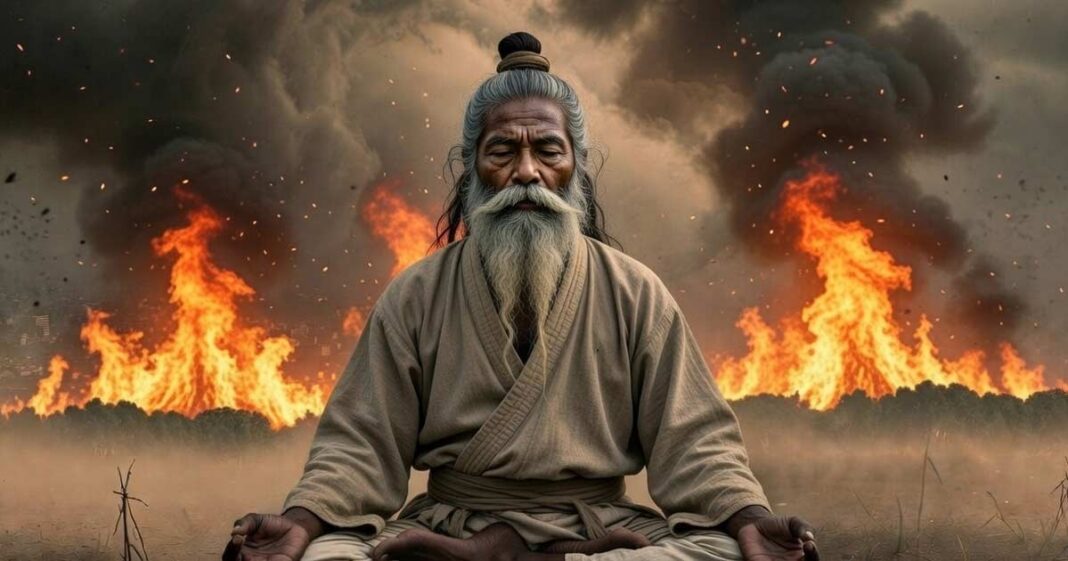
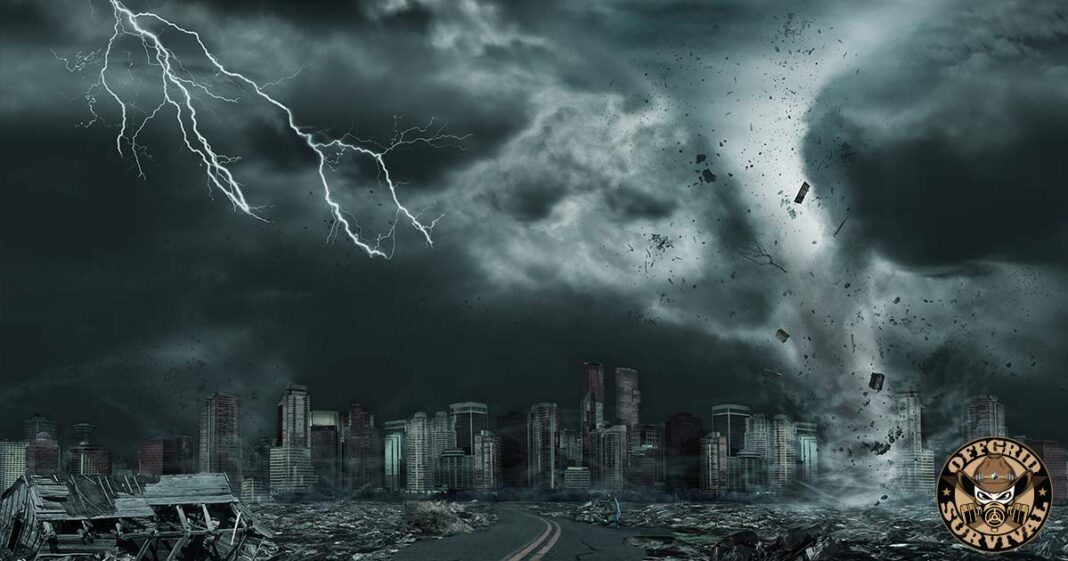
Disasters are traumatic events that can have severe mental and physical health consequences. Among the many health effects, Post-traumatic stress disorder (PTSD) is one of the most debilitating problems you can face, something that is rarely talked about in the emergency preparedness community.
After a traumatic event, it’s normal to feel a sense of anxiety. For most people, these feelings slowly start to fade in the weeks following the event. But if your symptoms don’t disappear, or start to get worse as time passes, you may be suffering from disaster-related PTSD.
What is post-traumatic stress disorder (PTSD)?
PTSD, most commonly associated with returning war veterans, is something that can affect anyone who has faced a traumatic event where their safety was threatened. In fact, it is probably one of the most frequent and debilitating mental health consequence that occurs in the aftermath of a traumatic event or disaster.
How PTSD develops depends on the person; but almost any life-threatening experience, including natural disasters, can trigger the condition. The symptoms of PTSD may also vary from person to person, and the emotional toll can result in a wide range of intense and sometimes terrifying emotions.
In general, there are three symptoms that seem to affect most people suffering from PTSD.
- Flashbacks and a feeling of re-experiencing the traumatic event.
- Detaching yourself from the event or avoiding activities, places, thoughts, or feelings that remind you of the event.
- Strong anxiety, and panic attacks.
A normal response to a disaster becomes PTSD when the feelings don’t fade away.
Feeling bad after a disaster or traumatic event is normal; it’s called being a human being. Feeling anxious, angry, or even having some episodes of panic can all be a normal response to dealing with a distressing event. But if those feelings start to intensify with time, or don’t start fading away after a couple of weeks, you may be suffering from more than just normal disaster-related anxiety.
In order to move on, it’s important to deal with your feelings and face what happened. The sooner PTSD is confronted, the easier it is to overcome.
Recovering from PTSD starts before the crisis ever happens.
Over the last couple weeks, we’ve focused on the importance of mentally preparing for disasters, something that is unfortunately not talked about nearly enough. The easiest way to recover from PTSD is to give yourself the tools you need to prevent it from ever becoming a problem to begin with; that means developing the right survival mindset.
Those who are mentally prepared to deal with a crisis, and those that have taken precautions to insulate themselves from the trauma related to these types of events, are far more likely to get on with normal life once the disaster passes.
The best thing you can do to protect both your mental and physical health is to prepare.
- Start stockpiling emergency food, water, and supplies.
- Take some classes and learn what it takes to respond to emergencies.
- Knowledge is the key to survival; it’s also the key to your mental health. Learn as much as you can about preparedness; doing so will help ensure your ability to calmly respond during a stressful situation.
Overcoming your Anxiety: Breaking the Cycle of Fear
One of the best books ever written on anxiety disorders, one which revolutionized the medical profession’s understanding of anxiety related issues, is Dr. Claire Weekes book, Self Help For Your Nerves a.k.a. Hope and Help for Your Nerves (1962.)
Dr. Claire Weekes really revolutionized how anxiety disorders are treated, with many of her ideas forming the basis for almost every self-help anxiety book on the market today. Her advice and her books are simple, written in plain and certain terms, and provide some of the best methods for dealing with anxiety and PTSD to date.
While it’s hard to sum up an entire book in a short article, the four basic principles in recovery are facing your fears, accepting them, floating through the fear, and then letting time pass. It sounds a little simplistic, but true acceptance and learning how to float through the intense feelings of panic are really the only ways to true recovery. I highly recommended picking up a copy of her book; it’s helped millions of people learn how to recover from the effects of anxiety and panic.


As one who is recovering (maybe has recovered)from PTSD, let me just say, the original traumatic event is only one cause of actually developing the disorder.
The larger (!!!!) is the inability to talk it out in a timely (!!!) manner.
PTSD permanently alters your adrenal system, so it is crucially important to talk it out with a battle buddy, a trusted friend, a skilled therapist etc.
Don’t stuff it! Don’t try to control it with drugs or alcohol, it will only get worse over time.
Thank you for the book Hope & Healing for Your Nerves, recommendation. Having been in a car accident I know in a small way what PTSD feels like. My nerves were in defense mood & I had to work my mind through it. It was very weird thing to experience.
I am now taking on a new venture with a young lady in Tanzania who has been through so much in her 13 years. Besides the cultural cruelty girls go through there such child brides, FGM (Female Gentile Mutilation) she had nearly drown in a flood at the age of 8 and has had nightmare since she was 9.
I’m pretty sure she is suffering from PTSD for she has endure a lot of pain in her young life and I need to educate myself as much as possible to help her & love on her.
Again thank you for the book recommendation. I see it’s less than $7.00 on Amazon.
WP