Monday, February 23, 2026
14.6 C
Las Vegas

Hiking Safety: Preventing and Treating Hypothermia

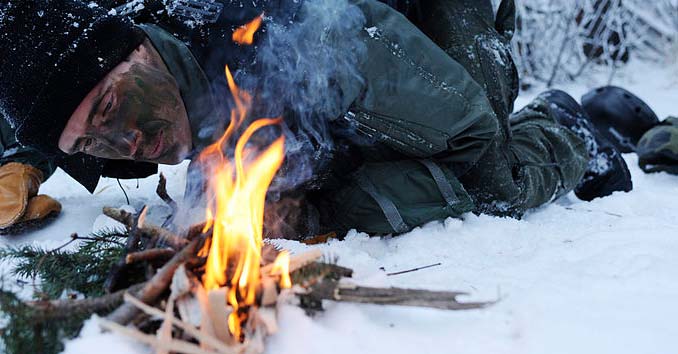
Starting a fire to prevent hypothermia

Hypothermia is a medical emergency that hikers need to be aware of because it can hit you when you least expect it. Hypothermia happens when your body starts to lose heat faster than it can produce it, causing your body’s core temperature to drop to the point where normal function is impaired.

We all know that the average body temperature is somewhere around 98.6 F. Hypothermia occurs when your body’s core temperature drops below 95 F. When this happens, your heart, nervous system, and other organs stop functioning normally and eventually completely shut down.

While most people think of hypothermia as something that only happens in the winter, it’s actually very common to see hikers suffer from this condition throughout the year – even in the summer.

A sudden change in weather is all it takes for someone to fall victim to hypothermia.
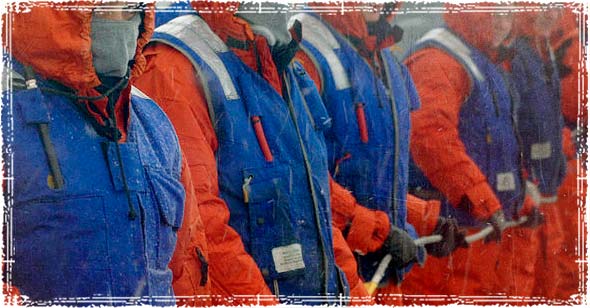
Sailors brave cold conditions

Contrary to popular belief, temperatures don’t have to fall below freezing for hypothermia to occur. All it takes is weather cold enough to lower a person’s core body temperature below 95° F.

When hiking, it’s not uncommon for the weather to drop 20-40 degrees at night. Throw in an unexpected thunderstorm, and you have a recipe for trouble. Once those nighttime temperatures drop, a hiker wet from rain and sweat can be affected by hypothermia in a matter of hours.

Stages of Hypothermia

StagesSigns
Mild
  • Shivering
  • Unable to perform tasks with hands
  • Hands become numb
Moderate
  • Uncontrollable Shivering
  • Mental changes – confusion
  • Muscles impaired
  • Breathing becomes labored
Severe
  • Shivering stops
  • Skin Blue
  • Unable to walk
  • Muscles rigid incoherent
  • Irrational behavior
  • Semiconscious
  • Pulse and breathing decreases

Preventing & Treating Hypothermia While Hiking
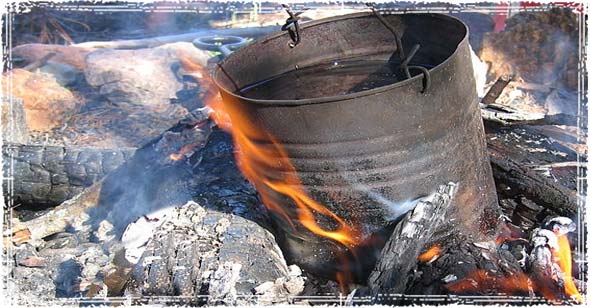
Heating water on a campfire

Stay Hydrated: While it’s more important to stay hydrated during extreme heat, staying well hydrated during cold temperatures will help your body maintain its normal functions. This is especially important when your core body temperature starts to drop, and your organs are already struggling to keep you alive.

Keeping yourself hydrated and well fed can help maintain your core body temperature.

Stay Dry. It’s crucial to start drying off once you get closer to the evening hours. If you have been swimming, or are soaked with sweat from a hard day of hiking, take the last couple of hours before sunset to dry off or change into a dry pair of clothes. Going to bed wet can be deadly.

Reduce Heat Loss: If you in the wilderness, one of the first things you need to do is minimize the amount of heat that your body is losing. Try to insulate your body from the elements by shoving material into your clothing. Everything from pine branches and leaves, to dry grass and fibrous plant materials can be used to help insulate yourself from the outside air.

Add Heat: If you have the ability to start a fire, do so immediately. Not only will the fire provide you with an immediate heat source, but you can also heat up water bottles or warm rocks that can use to heat your sleeping bag throughout the night.

Activity: Once you’re tucked away in your sleeping bag, periodically wiggle your toes, move your hands and arms, and try to move around as much as possible. If things take a turn for the worse, increasing your physical activity by doing things like pushups and jumping jacks can help increase your core temperature.

Share body heat. If you are with someone who is starting to go into the danger zone, you can warm their body with your own body heat. Remove your clothing and lie next to them, making skin-to-skin contact. Then cover both of your bodies with blankets and insulating materials.
Hot this week

AI Billionaire Psychopaths See You as a Virus: Why Tech Titans Are Engineering Humanity’s End

The AI Overlords' Chilling Agenda: Viewing Humanity as a...

Liquor for Preppers: Which liquors are best to stockpile for preparedness?

During a long-term disaster situation, liquor will be a very valuable resource. From bartering and economic reasons to health and medicinal uses, liquor is one of those items that should be part of any good preparedness stockpile.

Economic Storm? Deficits, Bankruptcies, and the AI Revolution That Could Change Everything

Record debt. Rising bankruptcies. A stock market detached from reality. Now add AI that can replace entire teams overnight. Add to that deficits near $2T yearly—the storm is here. Prepare before it hits hard.

Tarp Shelters: The Best Lightweight Option for Backpacking, Hiking & Wilderness Survival

A good tarp is both lighter and cheaper than the even the lightest of tents and has a number of advantages that make it much more attractive to light backpackers.

SHOT Show 2026 – Latest Gear, Where to Go in Vegas & the Best Networking Events of the Year

The ultimate guide to SHOT Show 2026 in Las Vegas: massive exhibitors, cutting-edge firearms & survival gear, plus our exclusive party list for networking events, after-parties, and must-attend meetups during SHOT Week.

Topics

Portable Backpacking Camp Stoves for Preppers

Real-world recommendations on the best lightweight backpacking stoves for preppers, hikers, and wilderness adventures.

Best Survival Books: Top Prepper Reads to Master Survival

Having a good survival book is almost as important as having the right gear. Check out our list of the best ones ever written.

Top Solar Generators, Power Packs, and Emergency Solar Solutions

From powering flashlights, emergency radios, and GPS devices to providing emergency backup power to your home during a disaster, these are some of the top emergency power options on the market.

Best Tactical Flashlights: Our Favorite Tactical Flashlights Reviewed

Don’t just settle for any crappy little flashlight, you want to look for one that can serve multiple survival purposes – enter the Tactical Flashlight.

Survival Lighters: The Top Weatherproof, Windproof, and Waterproof Lighters

A survival lighter should be weatherproof, windproof and waterproof; here are the top lighters on the market.

The Best Portable Survival Water Filters: Ensuring you have Safe Drinkable Water

During a disaster, even municipal water sources can quickly become contaminated. Here are the best backpacking water filters.

Discreet Survival Backpacks for Bug Out Disasters

The Gray Man Approach: Discreet Urban Carry Backpacks that don’t raise any red flags during times of crisis.

Picking the Best Survival Knife: Reviews of our Top Fixed Blade Survival Knives

The top Survival knives on the market. Here is the list of our favorite fixed blade survival knives after years of testing and abuse.
The Ultimate Situational Survival Guide

Related Articles

TPrepper Radio: The No-BS Ham Radio Technician Exam Prep Guide


The Ultimate Situational Survival Guide

Popular Categories

Survival Book

Comments

1 COMMENT

LEAVE A REPLY

Please enter your comment!
Please enter your name here

Survival Book