A reader emailed me last asking the following question:
I’m new to prepping … How do I start and what gear should I be stockpiling?
If you’re just getting started, prepping can sometimes seem a little overwhelming. From stockpiling food and water to picking the right survival gear, figuring out where to get started can be a pretty big challenge.
My advice to anyone who feels lost is to start with the basics and the essentials. There’s no use stockpiling a room full of ammo if your water supply will only last you a couple of days. That’s not downplaying the importance of security; it’s just a reminder that you need to keep a balanced approach when stockpiling preparedness items.
The first things I suggest doing is making sure you have all of your essential needs covered. The essentials include water, shelter, food and personal security. At a minimum ,you are going to want to have at least two weeks’ worth of food and water on hand at all times. Once you have that covered you can then start to build upon that initial stockpile, with a goal to build up enough supplies to last you for 3, 6 and then 12 months.
Here are a couple of articles that can help you get started:
- Survival Food – 56 long-term survival foods and supplies that you can buy from your local grocery store. This will give you a good idea of what items last the longest, and how you can build your supplies shopping at your normal neighborhood grocery store.
- Survival Food – Feeding your family when the SHTF – A couple more food tips to keep in mind when starting your preparedness stockpile.
- Water – Long-term Water Storage is probably the single most important prep item, and should be at the top of your list of things to do when getting started.
- Bugout Bags – How to build the perfect Bugout Bag. A Bug Out bag is something you need to build in order to survive disasters that may call for the evacuation of your area.
After covering the essentials I would move onto stocking up on basic survival supplies, first aid items, and anything else that may be unique to your situation. I often tell people to pretend they’re packing for an extended camping trip, one where they have no access to grocery stores, power or other modern conveniences. In that situation, what would you need? These are the kinds of things you should be focused on.
A couple of things to consider:
- Do you have a medical condition, or something that might require you to stock up on certain supplies that won’t be available during a crisis situation?
- How will you stay clean? The importance of sanitation during a SHTF situation.
- How will you cook your food? You need to have a plan, and the equipment to cook with when you’re without essential services.
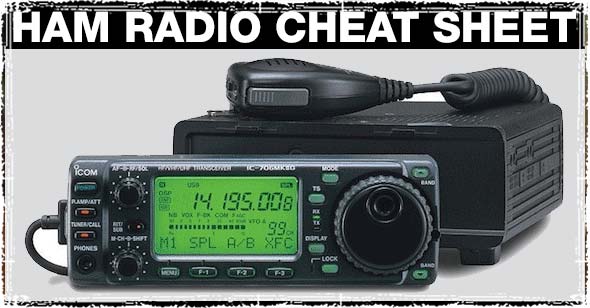
- How will you communicate or acquire up-to-date information? You might want to think about becoming a HAM Radio operator.
- List of Important Survival Gear and Emergency Preparedness Supplies
- Emergency Preparedness – Are you really prepared to survive?
My final piece of advice for those getting started is to study, practice and take every opportunity you can get to sharpen your skills. While prepping and stocking up on emergency preparedness supplies is an important part of being prepared, nothing can take the place of knowledge and real world experience.

Plenty of toilet paper, things get messy out there!!!!!1
Food, water, shelter, medicine, trade goods, defense.
Food = packaged food with long shelf life (MREs) and good seeds
Water = water filtration systems
Medicine = good first aid kits and get training
trade goods = silver, coffee, chocolate, salt, alcohol
defense = everything from pepper spray to firearms, be sure to practice!
Kind of hard to do when your living from unemployment check to unemployment check….can’t really go out and buy much…
Some Girl, there has been an article written about prepping on $5 per week, you can probably Google it. I started by simply rinsing and refilling the plastic sports drink bottles I normally recycled so I would have a water supply. Dried beans at the grocery store costs about $1 a pound. Stash a bag of rice. Grab extra salt/pepper/sugar/ketchup/hotsauce/napkins whenever getting fast food. Combine coupons and sales on things like Dinty Moore and Hormel products. You will find that you can very quickly and cheaply amass 3 days worth of survival foods, then a week, then a month and so on. Pick up candles and blankets and such from yard sales, dollar stores, etc. Working (and succeeding) at prepping on the cheap will do more than give you a better shot at survival than the unprepped, it will give you a sense of mission, of hope, of empowerment, of accomplishment. Use your unemployed time well.
Are hunting, fishing, gardening (in the proper season) or foraging an option for you?
If so, fresh fish or hunted meat can either be used to stretch your week to week shopping, or preserved through freezing, canning, smoking or dehydrating. Freshly picked or foraged foods can be used in the same way, allowing you to be able to stock up a few cans at a time.
yes it can be hard to get started for prepping shoe laces are a good sorce of cordage some states will let you get food stamps on unemployment and you can
buy food seeds with themas for self defence just about anything can be used kitchen knives a good frying pan a small garden shovel and yes save juice bottles they make great water storage or even coffee cans and some electrical tape for sealing them select things in your shopping trips that have more then 1 usethe coffee cans can also be made in to planters to grow food instart going out in to the woods with books on whats safe to eat and whats not for wild herbs the most important thing you can do is learn and comunicate with others
Join a group and swap your time for inclusion in the group. Most preppers are employed and will take in a person willing to work.
Scavenge, its amazing what some people throw out. Collect cans and scrap metal for cash. Get involved with other preppers who will include you in their group, if nothing else your labour and any skills you have can be repayed by supplying you bits and pieces. Sounds lame but 50% of something is better than 100% of nothing. Get some mongrel and innovate…you yanks are good at that. Find a coupla bandaids and a biot of old duct tape…Great store it away the beginnings of a medical kit.
Your local Dollar Store is your best bet. May the Lord help you secure the stuff I need.
While all of the above information is very helpful, my only concern is the use of a HAM radio. I would be worried that my transmissions were being listened to. Please let me know how you feel about this.
Of course they will be monitored, just like they are now. You want the radio to stay in touch which is fine. Just be careful what you say.
@Guy
In a SHTF scenario you would want your transmissions to be listened to be others that have prepped and are searching for survivors. Likewise you should be listening to others transmissions for intel, info, rally points and other useful information that will be broadcast by those who have been preparing for some time now.
I have been through major power outages after several Hurricanes. The first person to go down my street were thugs with high power handheld lights at night. They were banging on doors. Then daylight the ice cream man came by. Never did I see police.Protection was up to me. I had a variety of weapons: Sling shot, pellet gun, Wasp Spray, the real thing and a small crossbow. People are real afraid of a cross bow and I had $1.00 rubber snakes at my door steps. I made use of small bottles of whisky and cigarettes/cigars. I freeze cigarettes in vacuum bag- but I make use of nitrogen to displace the Oxygen. I buy nitrous oxide at any grocery store. I’m a McGyver guy. Buy the cheapest can of whipped cream- the propellant is nitrous oxide. Do not shake the can-else you will get the cream–you only want the nitrogen. I buy my cans at a dollar store -it costs a dollar and can last a while. I also use Nitrogen to reseal a bottle of wine.