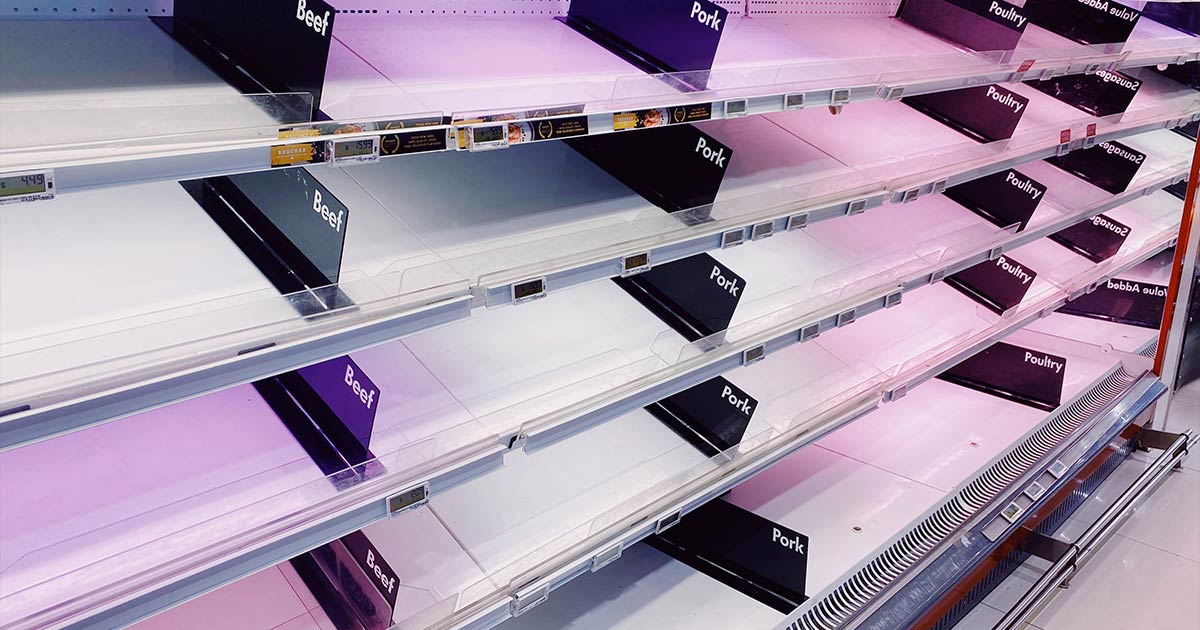

You never know when the next crisis or disaster is going to hit. As a mom, that can sometimes feel a little overwhelming to know that you are not in complete control. However, with a little planning and preparation, you can do a number of things that will help ensure your family’s survival no matter what happens.
Over the last couple of years, much of the world has finally started to realize how fragile our system is and how little our world leaders can do to help pull us out of even small-scale disasters. In fact, the COVID panic and subsequent collapse of our supply chain have highlighted what we’ve been saying for decades – YOU ARE THE ONLY ONE YOU CAN COUNT ON!
Sorry, the truth is sometimes hard to hear, but the truth is that no one cares about your family the way you do, and the only way to ensure your survival is to break free from the fallacy that the government will be there to protect you.
As a Mom or a parent, being prepared for natural and man-made disasters makes a lot of sense for a number of reasons, but let’s look at a couple of recent examples that showcase why preparedness is so important for you and your family.
You don’t have to look far. At any given time, a quick Google search will pull up dozens of articles from around the country on wildfire evacuations, power outages, boil water notices, and countless other disasters rarely discussed on the national news.
But let’s look at a couple of larger-scale problems that could be on the horizon.
While we believe much of this is manufactured for political purposes, there is no denying the fact that we are facing unprecedented supply chain problems. From food and baby formula shortages to vehicle and computer chip shortages, the problems seem to be growing in magnitude.
For years we have been telling our readers that even the Department of Homeland Security was telling the American public that they should be stockpiling six months worth of survival supplies in case of an EMP or similar attack on the country’s electrical grid.
Well, it seems it wasn’t an EMP or a doomsday scenario; it was just bad politics and an infrastructure that wasn’t designed to handle even small-scale emergencies or so-called pandemics! Now just imagine if we faced a real doomsday-level threat!
In a world full of uncertainty, there is no telling what can happen at any given time and so it pays to be prepared.
Families should have emergency kits readily available because there isn’t time to prepare for a natural disaster once it’s at your front door. During the aftermath, there is often civil unrest that might require your family to shelter in place, and even if the public doesn’t panic and act like fools, it often takes time for deliveries and supplies to return to normal. In addition, most grocery stores are picked over ahead of hurricanes and superstorms, which means you might be forced to rely upon your emergency supplies to get by.
Emergency Supplies for Your Family

“Emergency kit” is a loose term that refers to the supplies you have tucked away in case of an emergency. It’s so much more than food and water. As a rule, each household should have a first aid kit, non-perishable food, and water stashed away for emergencies, in addition to the supplies we’re going to discuss later in this article.
In truth, you need to think about having emergency supplies stored at home and in each vehicle in case something happens when your family is on the road. People tend to overlook the importance of having emergency supplies in their cars, but it pays off when your car breaks down in the middle of a snowstorm or during an evacuation. You don’t want to be the family that survives on Taco Bell hot sauce packets if you can avoid it.
- Tips to Prepare your Car or
Truck for Evacuations and Disasters - Travel Survival Bags: Your
Lifeline out on the Road
A frequent problem with homemade emergency kits is that they aren’t put together with an eye toward long-term needs. It’s important to ensure that your family has enough food, water, and supplies to last as long as possible because in an emergency, you never know how long it will be before help arrives.
When it comes to natural disasters like hurricanes, you might be on your own for a few weeks. If the emergency is a matter of civil unrest, there’s no telling how long it will be before you can go out and find food and water. While disaster movies like Geostorm and shows like The Walking Dead are works of fiction, there’s an unsettling consensus among them that when disaster strikes people are on their own. The government might fall apart before they can ship out emergency food and water, and looting is almost certain to make supplies scarce.
Thinks that’s just hyperbole?
On October 29th, 2012, Hurricane Sandy made landfall in the United States. Initially, somewhere around 60 million people in 8.2 million homes and businesses were without power. On October 31, 44 million in the Northeast still had no power; a week later 1.3 million from West Virginia to Connecticut were still without power as temperatures plunged below freezing at night. In parts of New York and New Jersey, that continued for weeks as people were forced to live in the dark.
The breakdown in government assistance and the response to the disaster was one of the worst examples of incompetence we’ve seen, well since the last hurricane response they botched. In any case, it’s important to plan for every scenario to keep your family safe.
The Essentials: What Emergency Supplies should you have at home?
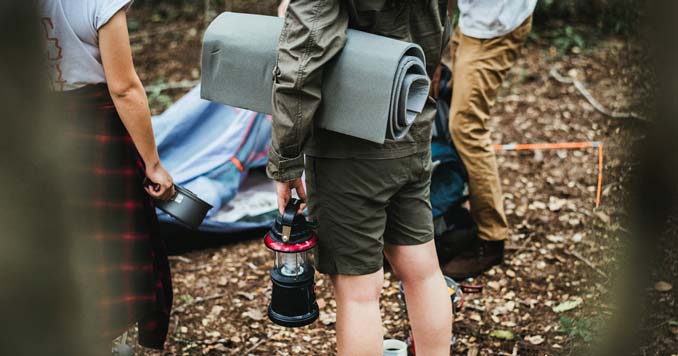
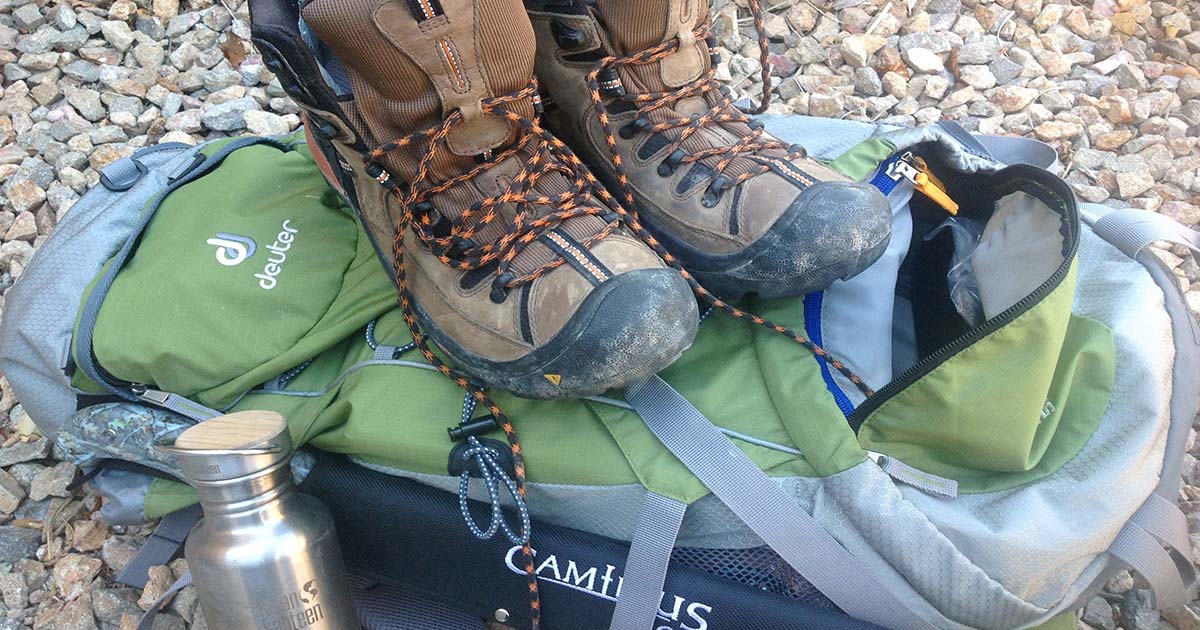
Every emergency kit should have food, supplies, water, medications, a first aid kit, batteries, matches, flashlights, and a radio. Depending on where you live and the kind of weather you get you might also have things like emergency thermal blankets and Hot Hands warmers, which are incredibly important to have packed in your car in case you get stuck somewhere and the temperature drops. Also, consider your pets’ needs during emergencies. Make sure you have extra water and pet food for your furry friends.
It’s also helpful to have copies of important paperwork on hand, stored in a waterproof container to prevent water damage. Copies of passports and driver’s licenses, birth certificates, insurance information, bank information, and even some cash are all things that can help your family in the days following a disaster. Having these in your emergency kits in advance will save you time if you’re being evacuated during fires or floods, and they can help you in the days afterward to get back on track sooner. In addition, copies of identification and bank information can be very helpful to prove your identity and access your money if you lose your wallet during an evacuation.
The biggest challenge with the essentials is how to pack it all. Your emergency supplies should be kept in an airtight and watertight container. If your family lives in an area with lots of snow, rain, or the chance of flooding, it’s especially important to ensure that moisture does not get into your supplies and ruins them. Remember: Matches are essential, but wet matches are useless.
Storage containers, like the tubs you might find at your local big box store, aren’t typically watertight. A better option would be 5-gallon buckets with lids, which are often waterproof. (A five-gallon bucket would be a good size to store supplies in your car)
You might be inclined to store your household emergency supplies in a giant tub but consider the size and weight and how difficult it might be to move your supplies if you need to get out of your house quickly. It would be better to pack everything in smaller containers that can be carried and transported easily.
Emergency Food Supply Options
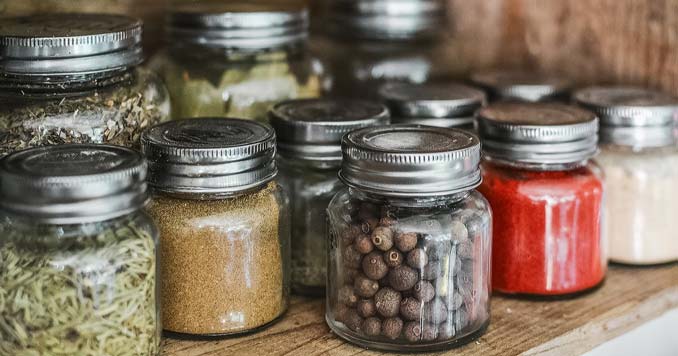
There are two basic ways to put together emergency kits: You can build your own kit with food you purchase at the store or pre-packed units that include actual meal rations with very long shelf lives. It doesn’t matter which option you choose, so long as you make sure that you have everything you need and you’re aware of expiration dates.
The benefit of purchasing prepared emergency rations is that they’re designed to be made without access to power, and these emergency rations have come a long way from the ones soldiers used in World War II. They’re ready-made, and they’re designed to offer you a variety of food options to satisfy any flavor palette. (They even have gourmet options) You don’t need can openers or heat to consume them, which makes things easier should you find yourself stuck away from home.
Given the need to be prepared for emergencies and the interest in “prepping” there are plenty of places to purchase emergency kits. I suggest taking a look at our article on stockpiling prepackaged emergency food; we list a number of relatively cheap, but reliable emergency food kits that we recommend.
Emergency Supply Tips

Once you know you’re prepared for any kind of emergency that comes your way, you can resort to the old “out of sight, out of mind” motto. While personally, we recommend continuing your preparedness journey, some people do feel better knowing that once it’s packed away, they can forget about it until it’s time to replace expired items.
Tape a list of each box’s contents to the box so you can see what’s inside quickly — separate supplies from food and water.
Since professionally prepared supply kits are designed to last anywhere from five years to 25 years, you probably won’t remember to go in and check expiration dates, which could be unfortunate should you go to use your kit and find that the food has expired. Set a reminder on your shared calendar so that you know when you need to restock your emergency kit. Pro tip: Set your reminder several weeks (or even months) in advance. That way, you can plan to purchase more supplies, and you can either consume the food in your kit before it expires or donate it to a local homeless shelter so that it doesn’t go to waste.
If you find yourself dipping into your emergency kit for batteries or a jar of peanut butter, don’t feel bad. Lots of people tap into their emergency kits without an actual emergency. In fact, some families like to sample their pre-packaged emergency rations for fun, and that’s fine. The key is that if you take something out, you need to put it back.
Continuing your family’s journey into Disaster Preparedness

While having an emergency food supply and survival gear packed away certainly gives you peace of mind, prepping without taking the time to research, learn and understand what it really takes to survive is somewhat futile. Yes, having supplies puts you ahead of most people, but knowledge is the key to survival.
If you are just getting started, I recommend reading through the following articles and guides:
- Preparedness Resource Guide: It’s a good starting point and will cover almost everything you need to know to protect your family and those you love.
- Preparedness for Children: How to Make sure your kids are ready to face Disasters.
- Preparedness for School: Preparing your Child for School Disasters & Emergencies.
- Dorm Room Preparedness: How to prepare you older children when they are away at college.
- Talking to Family about Preparedness: How to get your family to start prepping for disasters.
- Homeschool: Taking your Child’s Education Off The Grid!
- Off Grid Living: A Real-world Guide to Going Off the Grid
Preparing for emergencies should be a family activity so that everyone knows where the emergency supplies are and how to get to them if something happens. The more everyone in your family knows, the better off you’ll be when disaster strikes.