
This is probably one of the top questions I receive, but the answer to that question isn’t always that easy, and even the term “going off the grid” can mean a million different things to a million different people.
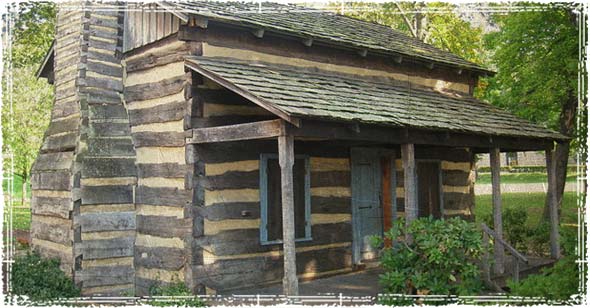
If you are planning on completely cutting yourself off from the grid, then you need to consider what that really means.
Living off the grid means:
- Disconnecting from the electric and communication grid.
- Having a way to get water that does not rely on the municipal water supply.
- Having to deal with your own waste and sewage.
- Being able to heat and cool your home without being hooked into natural gas lines.
- Dealing with local zoning laws and legal issues.
You also need to understand that this is a huge lifestyle change.
Let’s face it; most people are not ready to live off the grid. The average American household uses over 8,900 kilowatt-hours of electricity and somewhere around 144,000 gallons of water each and every year. If you’re planning on living the same lifestyle that you’re currently living, you’re probably not ready to go off the grid – unless you have an unlimited amount of money to spend on completely retrofitting or replacing everything in your home with off-grid alternatives.
While living off the grid might not be possible for everyone, more and more Americans are choosing to unplug. In fact, a couple of years back, Home Power magazine estimated that over 180,000 homes in the U.S. were completely generating their own power.
So what does it mean to truly live off the grid?
Well, it’s not quite as simple as running a couple of light bulbs through a solar panel. To truly say you are living off the grid, you need to find a way to generate your own power, water, heat, and yes even things like your cable TV and internet.
So how do start to unplug?
Slow and steady wins the race. While pulling the plug may seem like a pipe dream, there a few things you can do while you wait for your earthship to be built. Most of us waste more than we actually use; being mindful of how you use your resources is the first step towards energy independence.
- Turn it Off – Sounds simple, but simply remembering to turn off your computers, lights, and other electrical items can dramatically reduce the amount of power you use.
- Use Power Strips – Turing it off doesn’t necessarily mean it’s really off. Did you know that a lot of the electrical gadgets in your house are probably still using power even when they are turned off? By plugging them into a power strip you can cut off their power supply by simply flipping a switch.
- Pull water from thin Air – Believe it or not, you can actually generate fresh drinking water from the air in your house. Check out this cool piece of technology that produces water from the humidity in the air. The Atmospheric Water Solutions G2C Aquaboy Atmospheric Water Generator

How to find the right Off-Grid Land:
Because of zoning issues, and the fact that more urban areas area cracking down or even making off-grid living illegal within the city, most people are going to have to look for at least a semi-rural piece of land. When it comes to finding that piece of land, there are a number of considerations that you need to be aware of.
- Access to emergency services is something you need to investigate before choosing a piece of land.
- Investigating possible dangers located near your land is something you can’t take lightly.
- Understanding zoning issues, building laws, and the legality of living without being plugged into the local grid.
For more information on how to find the right piece of property, check out our article on how to safely buy rural land.
What about internet access?
Yes, believe it or not, you can have the internet and still technically live off the grid. It’s not going to be easy, and it is going to cost some money to get started, but it is possible.
From running your internet connection through a simple cell phone connection to setting up your own WIFI hotspot or satellite connection, there are a number of ways to get online. To find out what options you have, check out our article on Off-Grid Internet Access.
Prepping Considerations when Living Off the Grid:
Since one of the primary goals of this site is helping people become better prepared, and since a lot of preparedness minded people are often the ones who are looking to cut their ties to the grid, preparedness is a big factor when building this type of property.
- The further you can get away from a major city, the better off you’ll be during a major collapse or SHTF situation.
- A good reliable water source is one of the most important considerations when selecting any piece of land to build on.
- You need to find an area that lends itself to the self-reliant lifestyle. Your land needs to be able to grow food, give you the ability to raise livestock, and it needs to be in a climate that allows you to take advantage or the local resources throughout the year.
For information on what type of things you need to be looking for, check out our article on Building the Ultimate Survival Retreat.


I am a long time off-grid homesteader and live in a solar cabin I designed and built for under $2000. I use solar and wind power electricity, solar composting toilet, passive solar heating and passive cooling.
No house payments and no monthly utility bills- life is great!
You can see my cabin here:
http://www.youtube.com/watch?v=lXu45MHrnTk
LaMar
if you get this LaMar I want you to know I ordred your book thru lulu…they shipped it to the wrong address and said I would have to order and pay for another book even if the book came back to them..they are thiefs..
Lou
How is that Lamar,s fault? Just dispute it with your credit card if it did not show up to you. You have rights since it did not go to your address.
Hi how do you get a state Id or dl in a off grid cabin.
P.o. box. Some states won’t take a box though so u have to get a box that reads like a street address, and some states make u have a lease agreement or something but u can make one online
I’ve been living off the Grid for over 22 months now here in FL SOLO. Kinda like camping in the beginning on raw wooded land from the 1st day I closed on the property, then spent 6 months clearing and cleaning up the area from over growth. After 2 months living in a 5 x 10 utility trailer, and all my stuff stored in a storage facility. I bought a couple of New portable Shed buildings and placed them on cement blocks. Cost $10K The one 12 x 24 I fully built out like a tiny house, complete with kitchen, Lofts, bedroom and dining office area. It has all the electrical insulation, finished oak flooring and everything just like a house complete with fuse box on 110 electric. I put about $5K in finishing the inside. NO Permits needed for that since they are (PORTABLE) Key word there.
Electricity: Then I got a 1200 Watt Ground mounted Solar system (4x 300 watt 6-6 ft x 3-6 ft panels) facing directly south, and it can produce about 4 kWh of electric daily, everything I need for small fridge, all lights, running satellite internet all day, and a small 5 Cu Ft Freezer. Solar cost $5K I need just a little more power to fully run the freezer so it is idle at the moment. But that DC power from the 8x 6V batteries goes to the inverter and supplies 110 electric to my cottage. This can also run a small new A/C wall unit to take the heat off. I also installed a ceiling exhaust vent that moves hot air out at the top. This is Florida you know.
I also have full plumbing, and will get my well dug soon and connect it from a gravity tank for in-building running water. That too will be completely run on 12V solar, and 12V pump that can pump water 130 ft from bottom of the well to the tank in the air. Water for me now, is just buying and keeping on hand about 10x 2.5 Gal spicket water jugs, and I usually try to keep at least 10 to 12 cases of bottled water on hand 32 per case. The biggest user of water is doing dishes. Boil hot water drip soap on the dishes, then pour some hot water on top. wash and rinse in cold water to remove suds. Poof clean drip dry. For a shower, Poke a few holes with a nail I the cap of a bottle of water set in the sun on a dark black surface like a trash can and you have instant hot water shower, squeeze the bottle and instant shower. I can shower with just 2 bottles of water easy.
Trash? Anything plastic or aluminum (80% of my trash) I separate and haul off for free to the local recycling center, No charge. The rest 20% I use a burn barrel and burn about once every 2 months when my trash bin fills up. Also free.
Toilet and waste? Use a port-a-potty- 5 gal bucket with a toile lid and multiple layers of grocery store plastic bags. Fits perfectly. Also free. Dump the waste in a trash barrel with a lid. When that is full dig a hole and bury. It will all break down in the plastic bags. I am in the process of digging a septic with drain pipes. No stinking permit, really?
The key is off grid living is far away from spying eyes from any road. I live in a private subdivision private roads, and private dirt roads with several locked gates and no trespassing signs. Nobody but my neighbors know I am here. OPSEC is key. Anybody trespassing get shot. And we are running out of places to bury the bodies. Ha, just kidding. So I have not had any utility bills in 22 months, taxes are $110 per acre for a few acres, cheap. I can shoot guns on my property, I have hunted, bow hunted, deer turkey, raccoons, and have plenty of fresh water as I own half the lake and canal. Its all peace and quiet, tranquility and nature to relax you. Anybody thinking about living Off-Grid? What are you waiting for? I will eventually build a full size house here Grid tied, bit for now this is considered a hunting / fishing camp and nobody in my neck of the woods bothers nice folks like us.
It seems to me you are not living off grid , maybe irresponsible, why are you buying bottled water in plastic.
Also you are burying human waste in plastic bags that wont compost for about 100 years.
It seems to me if you want to live off grid ,you should be earth friendly. there are other ways ,in the words of someone much more responsible than me ……LEAVE NO FOOTPRINT.
Wonderful!!! You’re Living The Dream!
bohzo (hello)
Very interesting blog with good tips. I will never forget visiting Pine Ridge Indian Reservation, the remote part, some did not have electricity, water, or plumbing.
I was so shocked at how well they adjusted and how tough they are as a people, survival to me seemed nearly impossible, for them it was simple. The most shocking thing was they seemed happy and were much more tribal and had to rely on neighbors.
Have a great day!
I grew up without electricity ( actually didn’t HAVE it until I was about 30) so I know it is totally possible. We used propane to power a lot of things like the refrigerator, lights, stove, etc. Didn’t have tv, or anything like that so didn’t need it for that…
If you have a hand pump on your well you can use that to draw water but we always used a gas engine. If you have a wood stove you can actually get along without a water heater, oven or range as you can do all that with a flat topped wood stove.
Yeah, there are definetly ways to live off the grid but until I HAVE to do that again, I will use the grid. =)
I would rather live without electricity than to put up with people I can’t stand. I know that if I had a house with electricity but no gas and no running water and a portable potty that I’d take outside somewhere to empty, that would be as good as anything I could think of. I’d have it made and not have to put up with anybody or anything I couldn’t stand about this rotten modern world with all these irate skum type people and this stinkin high tech crap.
some off the grid people are insane in my book in there waste and inefficency if you have to dig a deep well put up solar pannels run refrigeration ect you kidding your self its an ugly waste of time. you should be spending more time hunting fetching water cutting wood harvesting wild food then messing with these obtrusive remnets of your urban life … you cant take it all. rediculious.
What is wrong with you? Your grammar is an eye sore and difficult to decipher. What is so wrong about using solar panels, and being cost and environment efficient? Sigh. Faith in humanity not restored.
>7B of us cannot heat with wood. I like the idea of off grid living, but just like organic farming, if we all tried to do it, >7B of us can’t stay here.
Don’t know how lot you are but sounds like a lack of planning to me. At some point you get sick or disabled or just to old to do all the time. If you fetch water from the creek one hundred yards away try doing that with a cane or walker when your ninety
Did somebody drop you on your head to scramble your brains or we’re you born that way?
we know it can be done cause we’ve been doin it for 4 years now offgrid, just keep adding on little by little, it’s not always easy but we sleep good at night(havin no monthly debt makes that easy)my wife and 2 kids love it.
How do you do it in Tennessee with kids??? My kids an live in middle Tennessee and have always wanted to go off grid, but can’t figure out all the details with the laws etc.
Hi Lisa, did your kids ever end up fulfilling their desire to be ‘off the grid’? I would be interested to talk with you in more detail.
I love the concept of living off the grid. Here in Zimbabwe, Africa municipalities have collapsed. In cities off grid is no longer optional. However, off grid life run by a prepared person is both affordable, realistic and funny. I agree that such life is not liked by everybody. the good life of the grid bleeds nations of resources, and creates a society dependent on economic dynamics. I think off grid means absolute freedom!
Hey everyone! I’ve recently been building a 188 square foot off grid cabin on 20 acres in northern California. As I was putting in the first interior wall the county showed up and gave us the ol’ stop work order. They said the structure needed to be permitted if we were gonna live in it…even if under 200 square feet. Now in order to permit it we need a well, flushing toilets including a septic system that fits up to a 3 bedroom, have to connect to the power lines, as well as a whole laundry list of stuff that we feel is the opposite of sustainable. Apparently a neighbor called the county on us. I see that people live off the gris all over the country…how is this legally possible if at all? Is there anything we can do to petition and make this cabin livable? Just don’t want to walk away with out trying to make a difference.
Thanks so much!
You can do it if you build your cabin on a set of wheels, kinda like a trailer. No foundation attached to the ground.
Had a similar problem in rural Virginia. Got my water from a spring up the hill. Spring was on neighbor’s property, but my deed and his deed said I had water rights to the spring. I think he called the county. County came in and said I had to have a well, hook up to town sewer (even though I was outside town limits), and electric service. So I dug a hole, lined it with plastic barrels, and put a tee in the underground line into the ‘well’. A toilet float switch keeps it from overflowing. I paid the $450 fee to hook up to town sewer, dug up the dirt as if I had buried a line to the distribution box, but didn’t hook up anything. I paid the power company $150 to run a line to a service pole next to the house ‘for construction purposes’, but haven’t plugged anything into it yet. The county inspector came out once and turned around in the driveway without speaking to anyone. Still using spring water, still using the cesspool, and still lighting my house (built in 1888) with two solar panels. The power company asked me when I would start using power, and I told them I had to delay construction until the economy turns around. Haven’t heard anything more from them. I have 15 acres and the house, so wood for heat and cooking is easy. My grand daughter gave me her old laptop, and since my one and only neighbor didn’t secure his wi-fi, she set it up on the internet. It came with Magic Jack, but she is the only one who calls. I only turn it on from 6AM to 9AM. I told the town I didn’t have the plumbing done yet. They check the distribution box monthly, and will start billing me once they see the box is wet. So – still no utility bills, and I get the senior citizen exemption on property taxes. The mortgage was paid off about 1920, and has been continuously occupied since it was built. I really thought I was grandfathered in and didn’t have to do any of that stuff. All this tomfoolery cost me half a month’s social security check and a week of hard labor. I guess the wi-fi is compensation for my trouble.
RCJ, can I ask which county in Virginia you’re in? I bought eight acres of rural land and want to build an off grid cabin for year round living. Has the idea of hooking up to the electric company!
I like the way you think!!!
move out of california!
own approx. 12 acers in rural washinton county,In.
In 1997 I purchased the first 6 acres then after a military deployment wbought the additional 5.6 back to 1st 6 every day I would go to my new piece of heaven w 6pack in tow…yes I I already had a favorite spot..so I would sit and & ponder I knew the land had been logged but that was 15yrs prior and I just couldn’t believe all of these huge tree’s
pines and poplar perfect for a lumbar package.especailly after I called lowe’s
I FOUND A FRIEND WHO HAD A BAND SAW MILL HE WHIPPED OUT AND WHEEL WE MEASURED A FEW TREE’S ..THEN THE ANSWER CAME YES WE CAN BUILD U A 30X60HOME,PLUS UR GARAGE30X24 ATTACHED..SIDING WILL BE POPLAR SAID OUT LOUD…WE DID IT ALL FOR WAY WAY LESS THANU CAN IMAGINE..MY ONLY REGREAT IS I THAT I COULD’NT PUT IT WHERE I WANTED WHY YOU ASK ELECTRICITY @ $1500 per pole x 8= 12000 that is more than my lumbar package cost..the great compromise instead of 900 feet of a ralely used road,on the 2nd ridge back just above a seasonal creek …it was going to be 300 1pole and I would dig the remaning with my shovel if I had too. Oh I started didn’t realize that I had so many real friends @ the time..people that would work for steak’s and brewski’s @ the end of the day…Fast foreward2013june13….average electric bill 250 per month during the summer 6 in the household….for heat we had a hardy woodfurnace installed $$$$paid for itself in a year and half ..??? would it be to exspensive for me too get this giant home off of the grid Help the campbells
am working to live off the grid i do have solar and 10 batterys to back it up we hit water on my land it will run on solar as well i built a backup changer for my battreys if it raining i love it its not hard to do works great and not bad to buy the parts and build it by hand make the time and do it
We live in a 2000+ sq. ft. straw bail and timber frame house. Solar water heat, radiant floor heat, solar powered well, septic system, 3000 watts of solar panels, trace inverter, outback charge controller, 20 L16 Trojan batteries. Satellite TV and internet, electric fridge and deep freeze, swamp cooler for summer AC, big screen TV, wood burning parlor stove. we use toasters, washer, drier occasionally. back up systems are tank-less water heater and propane generator neither of which has come on in over a year due to recent upgrades in solar. Ham radio, shortwave receiver, satellite radio. The point is you really don’t have to give up anything to go solar and off grid. Next is an outdoor stone oven and cook stove wood powered.1000gal propane tank for back up systems and cook stove. we have a garden and chickens protected by an great electric fence. cell phones. closest power poles 4 miles away.
Please tell me how?????
just start doing it.you will never be finished,but so what?
In city,4 kids all w/heads in phone.can barely meet bills without being months behind..almost waiting for some type of people clearing event so to begin again..no not crazy
No, we’re not crazy either. My fiancé and I have 2 kids. They are too young for phones, but we have discussed moving off the grid before that time comes. Even with off the grid living we would still have to pay our student loans. He pays $500/month… which isn’t taken into consideration when applying for any state assistance. :-/ Off the grid sounds real nice right about now.
Me and husband are buying a large chunk of land. We are looking for 8-10 people to add to our home. We are building 4-7 tiny homes. Ours will be double because we have a 3 year old. At least one acre for garden. At least two acres for farmland and crops and animals. Cows, chickens, horses, pigs, goats, and any other type of animal you can think off. This is what life is going to be. There is going to be no need for the perpetual 9-5 groundhog day. Each person will need to get a part time like 2 day a week job to pay property and random necessitys we can’t make. We will have food. I will be teaching. We have medical student.we have a construction worker for our homes. and a mechanic for other things. All of us co egisting as one. Helping each other. and if you are having to stressful of a time and need a month to just relax. You got it here. I’m in Washington state. Feel free to look me up. Aimee hillberg :) I know what its like. But we found this opportunity to do something great. and hope others will follow. I’m done with this american skeme. Time to live instead of just surviving
Sounds awesome Aimee!
Would consider it, but I’m not sure if I could do too well with the cold, (pinched nerves from scoliosis). Are you connected with any other Tiny Home communities in a warmer climate you might recommend?
Aimee,
If you’re going to teach, you’ll first need to learn how to spell.
HOW CAN I CONTACT YOU
Hey jen ,check out southern Colorado.
One option while not ideal, is to build a home set up for both grid and off grid. Have the electric, water and sewer run. Then don’t use them. You will pay a small fee for each branded as taxes and fees. But since you use no actual electric or water you don’t pay for that. The benefit is that you are “legal” and don’t have to deal with the bureaucracy. You blend in, and if you ever decide to move, the home sells like a standard one with a few off grid upgrades.
Basically, you can turn any standard home in to a off grid homestead by turning off the water, gas, and electric at the mains, and using other means. If you use prepaid cell phones you can even have phone service you pay basically nothing for unless you use it.
have a question. My elderly aunt lives totally off the grid and has to use a walker to get around.
she would like to have a tv.she has no electricity and no vehicle. Her son calls her everyday. So,is there such a thing as a small tv that runs on batteries and will play dvd’s? She will need two batteries.Thanks,Doni
A marine battery, similiar to a car battery, has a cigerette outlet plug in. On amazon u can buy a decent size tv for around $90 that plugs in to the cigaretre charger on the battery. Can also get one for alittle more that has built in dvd player. Hope this helps
Own 5 acres in southern Colorado near Ft. Garland. Anyone else out there. I have some questions !
Would like some info on off grid living in that area.
Does ‘off-grid’ living mean you must have a well?
With solar air to water machines (with back-up of 5,000 Gal above ground water tank, with a solar oven, solar compost toilet and solar composter, and webber style container with vent for burning minimal trash (if needed) constitute acceptable off-grid living?
Our County requires wells, but many’s wells are going dry in California and they are selling their contain homes.
County says that water tanks are not pure water
(though I have the charcoal and fiberglass filters).
Also, I have several deep green storage container boxes with doors (2 with windows also), but am told they are not allowed unless out of public and neighbor’s sight… Neighbors all around have them in plain sight, but they also have a residence on-site.
how does a family go about moving off grid with children so that it is legal?
would love to off grid. How do you find a partner though.????
Yes, I’m a realtor w/a great 60 acre parcel in the middle of the Kootenai National Forest of far NW Montana. Property has a 41KW Canyon River Hydro Power Plant. Enough to power up to 5 homes. Completely off grid.